

I like telling stories, and I like the sensation of coming home, or landing. Even if it's a sad idea, the fact that you can always get up or get on your feet again or move forward. Um, like providing hope and just connecting with people.” - Jayden Erdman on songwriting
I had been hearing about a “Grunge” revival happening in the rock scene, and I was immediately curious. Having lived through the original Seattle rock era (I swear, being a teenager and watching my favorite artists die one after another is one of the reasons why I became a therapist), I know what that vibe was like. It was a time of honesty in rock music.
Seattle is a moody place to be, no matter what is going on in the culture or the country, but in the early 90s, unrest was brewing. There was a disenchantment and a dis-identification with the whole extravaganza of the 80s. With hair bands, outrageousness, flash, and glam coming off of the disco world of the late 70s, it was basically a party all the time- complete with champagne bottles, bouncing blondes, and expensive hotel rooms to trash.
But life didn’t feel like a party for a lot of people at that time, and an emerging rock scene started showing it. These Gen X bands rejected the inauthenticity and the pomp, and got on stages wearing plaid over their band Ts, ripped jeans with boots, and they screamed over crunching guitars like they were being torn apart.
We ate it up. It was real, it was raw, it was unpolished, and the media called it “Grunge.”
This was the time of the anti-star, and a struggle against disproportionate power dynamics, toxic masculinity, and “fame and fortune.” The drugs at the time were not a party. Heroin and depression were ripping through the crowd like the reaper himself, taking too many people with them. I remember the day Kurt Cobain died, and Courtney read parts of his suicide note to his fans live on MTV. It was brutal.
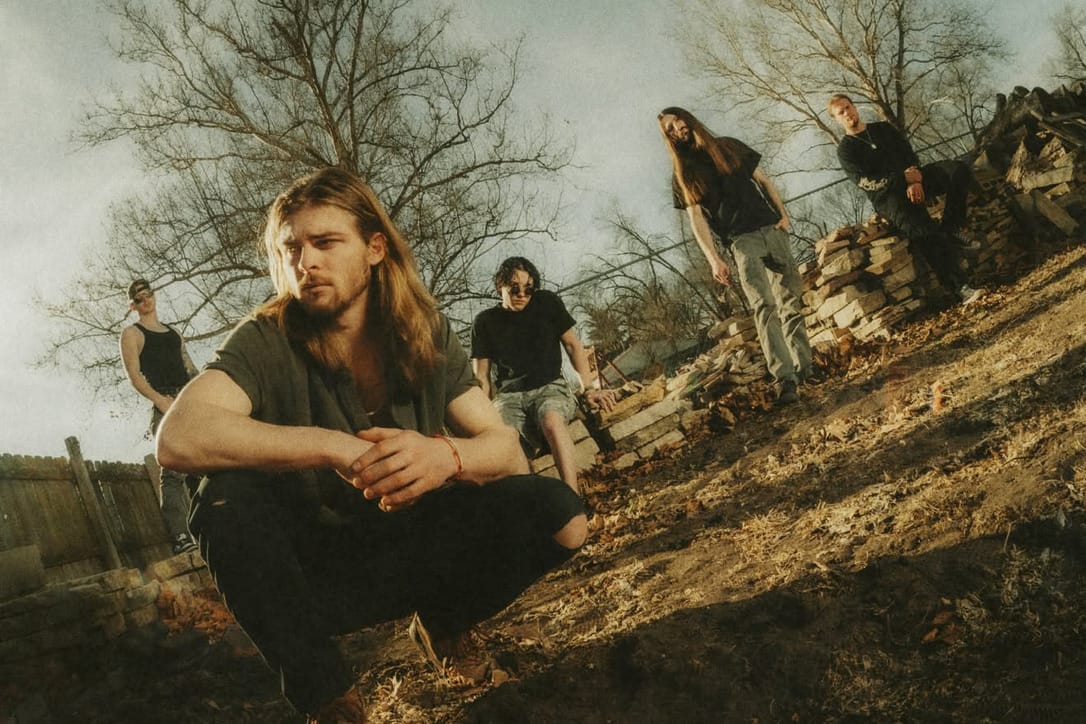
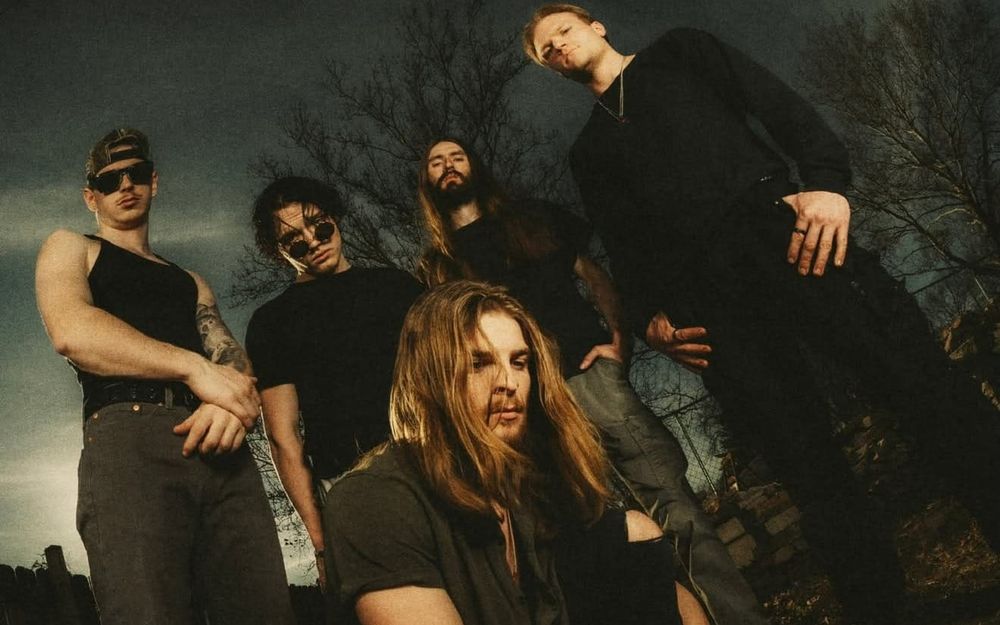
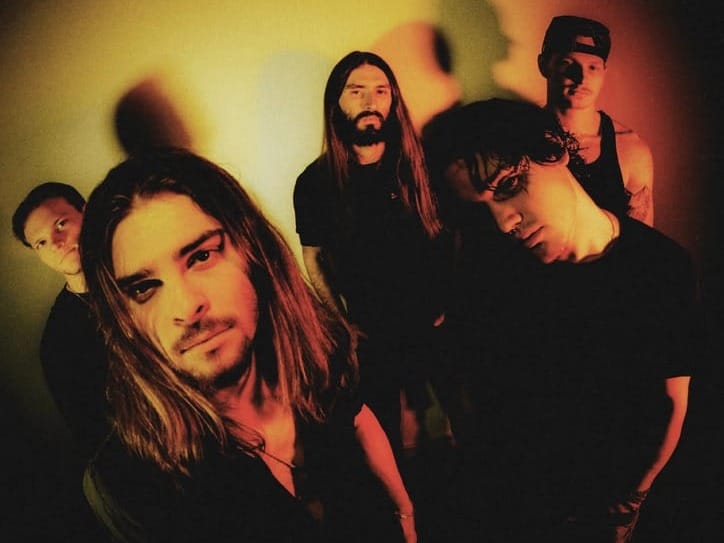
So, when I first saw the term “Nu-Grunge” floating around, I wanted to see what was going on. It turns out a lot of it is coming out of the Midwest. I can’t say I’m surprised. Soulcage is a five-piece band out of Des Moines that is tapping into a dark, rip-your-heart-out sound reminiscent of the 90s. I got to chat with them recently and dig a little deeper into what this next generation of grunge rock is like.
“We didn’t create 'Nu-Grunge'… I don’t know who did, but that term gave a bunch of bands an identity and a lane,” lead singer Jayden Erdman pointed out when I asked them about that label and their sound.
Ace Tipton: "There's so many, you know, Grunge elitists that are just like, 'absolutely no way, you can't do it 'cause you're not in the 90s, you're not in Seattle, it's not the same, you're a bunch of copycats, you're the same as everybody', and I'm like, okay, I get it, but at the same time we have to figure out a way to like categorize our music."
I found this interesting coming from Grunge "elitists," because the Seattle rock scene was labeled "Grunge" by the media, and most of the time they didn't identify with that term themselves. It was created purely to categorize the music at the time.
Ace explained that he started out in a cover band. When artistic differences drove him, Jayden (Young), and AJ to split off and start experimenting with doing their own thing, they started a thrash project and got some gigs lined up. Then a change in the band lineup left them without a vocalist or a guitarist. Ace brought in his friend from high school, Anthony, on guitar, and then they found their vocalist and “second Jayden,” who goes by Erdy, on Facebook.
Erdman: “I wasn’t even looking for a band. I went through a tough time and just added everybody on Facebook that had anything to do with music.”
Tipton: “I found him and just looked at some pictures and videos…”
Erdman: “I was in a bar with like 12 people with my dad just singing Harvest Moon by Neil Young, and for some reason he looked at that and thought ‘that was the guy’.” (Laughs)
Tipton: “We pretty much just had to make sure you had a pulse.” (Laughs)
This was understandable because the band was set to play for 2,000 people, opening for an AC/DC cover band, just over two months after reforming, so they had to learn a lot in a short period of time. Not just the music. They had to learn each other as artists and how to work together.
Tipton: "We were in here [the studio] pretty much every day, because also, at that time we were inexperienced ourselves, and Anthony and Erdy had never even played in a band before, so you gotta find that chemistry in ten weeks to be able to play a stage that big. You know?"
This band has chemistry. Watching them talk about their journey and creative process, the excitement was alive. It felt like a cool electricity. When I asked them about their writing process, they gushed about each other, the way that we do when we talk about people in our lives who we are really proud of.
Erdman: “Jaden can come up with 80% of a song musically in probably about five minutes; I've seen it happen. That's a privilege to have. Anthony sits and broods over masterpieces; he's like, ‘This is a thing I'm just noodling with', and it's the most beautiful thing you've ever heard. AJ is our engine; he's got a groove, but he's also got a tender soul, and he'll come up with some really cool lyrics.”
MSM: "Are there any songs in particular that are meaningful for you, or that you're proud of?
Anthony Cooper: "I like End of the Line, I think, the most. 'Cause I helped a good amount in writing some of the parts for that. And it, uh, it evokes a good feeling in me to play it."
Erdman: "End of the Line is there for me too. It's one I look forward to playing, and it's the hardest one. It's about losing someone and not being able to do anything about it. I'm most proud of Clouds. Clouds was an Anthony idea that he just doodled on, and was like, 'yeah, I wrote this like five years ago', and I looked at it, and I'm like, this is, this is a masterpiece.”
With all the respect and synergy between them, I was curious about how they handle artistic differences of opinion.
MSM: "So when you guys have like artistic differences of opinion, you just kind of work it out amongst yourselves and try different things and give it time?"
Erdman: "I think that's the coolest part of what we do is even if there is a difference of opinion, then different ideas are coming to the table, and sometimes a third one comes, and then it could lead to something entirely different."
Tipton: "It's a day one rule, we just check our egos at the door... let it have its space, let it breathe."
MSM: "I guess, do you get negative comments? How do you handle that?"
Erdman: “That was a big thing for me to get over at the beginning. When you're smaller, and you don't have the following, and you're not getting the interactions on your posts, you know, you're being vulnerable with your music, and you really hope that people like it. When you're getting three good comments, you get one or two bad ones, you know, that starts to weigh on you for a minute, and I'm completely questioning, like, man, am I even doing the right thing?”
When talking with the band, I was thinking about the social and cultural climate that might be fueling this return to the unpolished sound. It could be the age of autotune, AI, the race for perfection, and maybe even just being behind screens. I know I crave a sweaty, dirty, imperfect, emotional time when I go see live shows. There are ups and downs to social media fanbases.
MSM: I know social media has had a big impact on music. Do you have a lot of local fans that come see you live?
Erdman: "I would say we've passed the 100-show mark in our last two years together. In Des Moines, I mean, I think we have our hometown on lock. We are doing a regional Midwest tour with another band called Rapture."
Tipton: "So, uh, we're definitely trying to like build the scene, and show that interaction because it can't just all be on social media."
MSM: Where did the band name come from?
Tipton: We feel that it’s a perfect combination to describe our sound with the more soulful elements of our lyrics and ability to pull back, but also the cage being more representative of our metal influences. It’s the dichotomy of the calm before the storm, if that makes sense."
For those of us looking for the churning, hard rock experience that also gets us right in the feels, it does.
Soulcage's debut album is called Monstrophie, and they have released three new singles: Drool, Back on My Feet, and W.D.Y.W.F.M. They have a couple of dates left on their Midwest run, so check out their socials for upcoming shows!
Note: This interview was edited for length and clarity.