

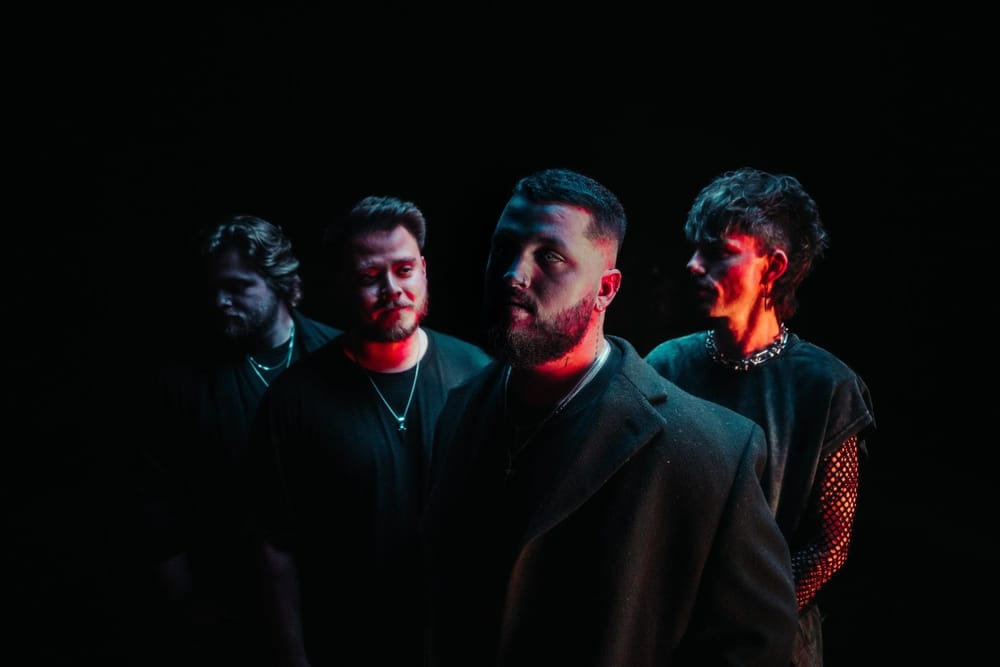
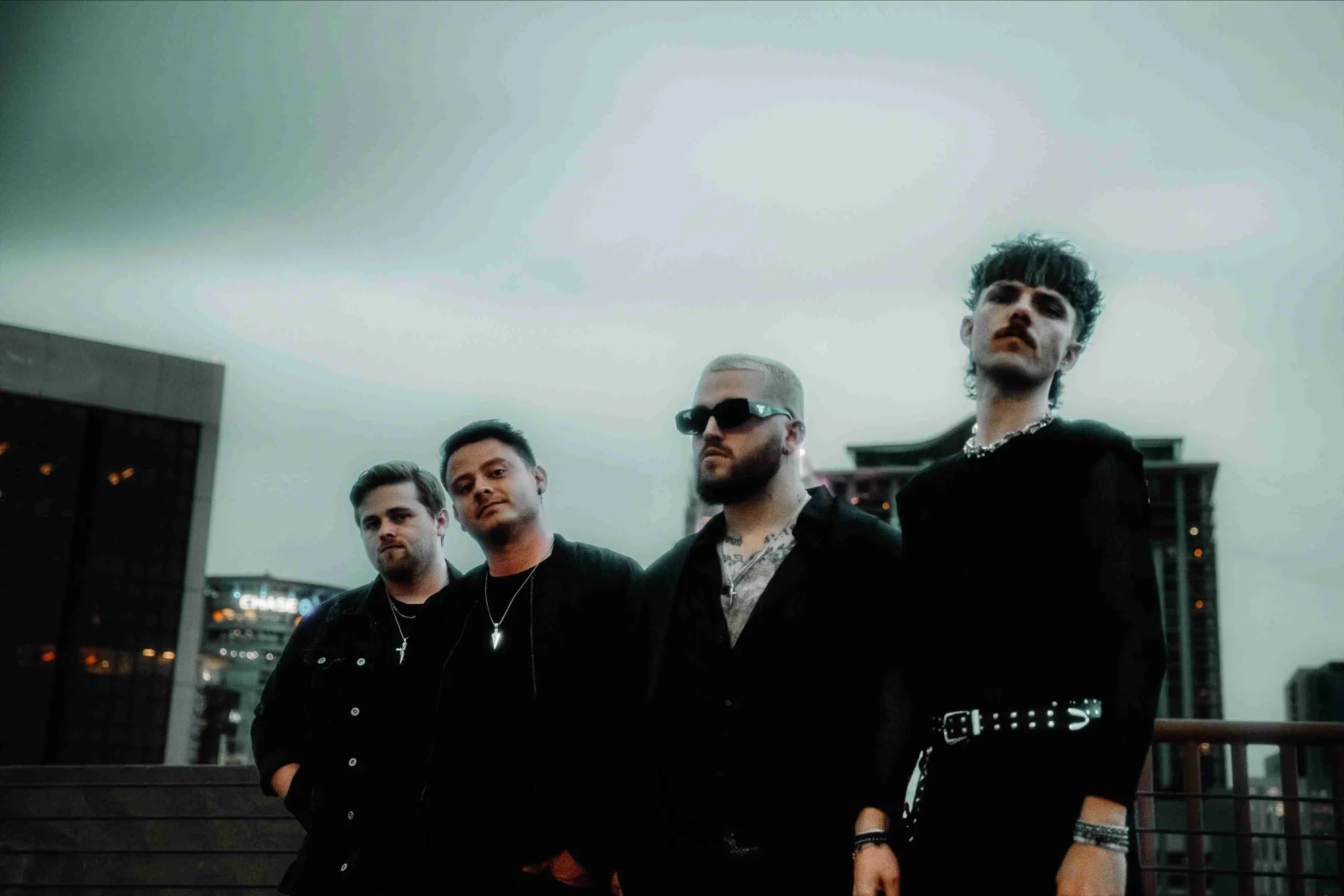
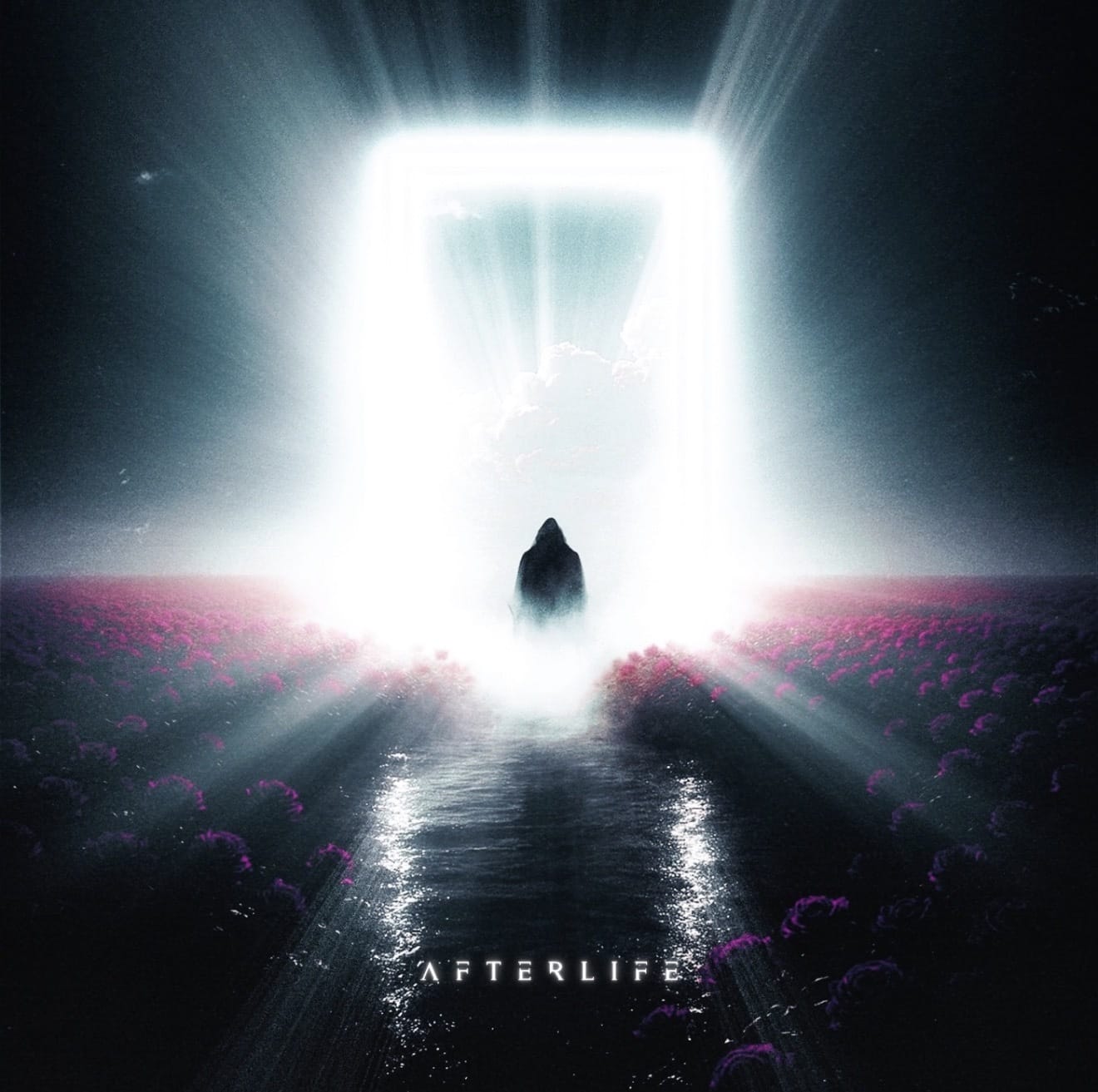
The hard rock scene continues to grow with even more distinctive talent, and Florida-based phenomenal band Kneel Before The King is just what we need when it comes to setting the standard for creating remarkable tracks that are only going to flourish from here. The band has just released yet another lush, compelling song with "Afterlife."; a true anthem of love, loss, and "the other side." It's a song for anyone who needs to know how much they are still loved and not alone while going through grief.
Music can be such a powerful tool when you least expect it, and songs like this make the meaning beautiful in every way possible. I had such a great chat with Luke Middleton and Staton Angle from Kneel Before The King. We talked about where they find inspiration for their music, the meaning behind "Afterlife" for them, and what has been their most rewarding experience as musicians. Here's what Luke and Staton had to say.
For listeners who are discovering Kneel Before The King for the first time, how would you describe your sound and identity as a band?
Luke: I'll let Staton answer that. We're all on the same page, but he knows how to get to the point better.
Staton: Yeah, I appreciate that, Luke. It's actually changed quite a bit, at least since I started. I would say probably at the start, it was a little more, maybe, pop rock with the song "Save Me," and then we started releasing other songs. Our music started getting a little more heavier and going into the more metalcore genre, which is what a lot of us enjoy. Then, I would say probably over the past 2-3 months, we started working with a newer producer, Christian from Further Within, he's a really great guy. Luke and myself are also very inspired by electronic music as well as metalcore, and so over the past several months we've been working to incorporate that into more of the dark-synth wave type sound that you're kind of hearing now with Bad Omens, DaySeeker, Kingdom of Giants, and other bands. It seems right now that we're really happy to be in that spot. So, it was a page-turner for us, and we're really happy with where we're at right now.
Where do you typically find inspiration when writing and developing new songs?
Luke: I think me and Staton both have some connection when we work on music that's different. It's like a connection that just happens where both people come together as one, but Staton, if you have something to add to that.
Staton: I mean, Luke is pretty much spot on. He does the singing, and I do the drums, but we also do things with producing as well individually. So, we really spent the time and effort becoming better with all of our own skills, including singing and drums, and I do scream as well. At least for me, my inspiration when it comes to writing comes from my personal life. Just stuff that I'm going through. I do a lot of things outside in nature; being outside helps me be more inspirational. I actually think of a lot of stuff while I'm driving in the car, surprisingly enough. That seems to be my go-to for being creative. We have good synergy, as do the other members of the band, in terms of the creative mindset we want to go for.
What inspired your latest track, "Afterlife," and what does it represent to you on a personal or emotional level?
Luke: I think going into the new year, one of our biggest goals was to try creating something that was a lot different. So, we all love Dayseeker big time. We loved what they did with their last album and wanted to incorporate some of that stuff into what we are doing now. I feel like a lot of metalcore and metal music kind of sound the same at times. It's rather a risk of taking that leap of faith and doing something different and trying to see if that does anything, but the song was about cancer, to me personally. I know all the guys have gone through something similar to that. What's cool about it too is how we write and tell our own story in different parts of the song. So, that's how creativity works with us. I wrote most of the vocals based off my grandmother, who passed away from cancer, and kind of what I went through after that. The feeling of a dark time and going through the hard phase of grief and not feeling like you can really get out of that.
Staton: Yup. I'm going to chime in too. I would say it's pretty much the same for me as well. I've done a lot of healing over the past, probably ten years, in terms of grief. I lost my mom to cancer. She battled three different types of cancers throughout my teenage years and going into my 20s, and finally the last time just got her. It means a lot to me to have part of that song. When I came on board, the song was already in process, so I was really appreciative of the guys for letting me come in and help with some of the lyrics as well as the music component of the drums. It pretty much is what it is, talking about the afterlife and the other side.
Were there any specific moments or lines in the song that felt especially important to get right?
Staton: I think for me, I love the entire song. It is a little bit different than what we had done previously. A little bit more emotional, in terms of grief. I love the ending of the song, when it gets a little bit more screamy with Dani, so that was a really big thing to have him own the screams and build the song up from the more calm sections into something heavier, then relieve the song at the very end again with more calmness.
How did you approach the sonic direction of "Afterlife" compared to your previous releases?
Luke: Well, the funny part about it is the song today is not the song that it was when we first wrote it. It was completely different. I think passing it off to Christian was one of the best moves that we could have done. Working on that song sparked a lot of new ideas and helped us find the direction that we wanted to take. It's just one of those songs. Staton and I both have listened to it over 500 times, so I wish we could have that feeling of hearing it again for the first time and being like, "Yup, we made that."
Staton: We definitely have a lot of hours on that song. Especially working with Christian, and with some of the newer stuff we're doing, it was a transition period of exploring new sounds. So we are continuing off of that, and I'm personally very happy with what we're doing now.
How do you balance staying true to your identity while continuing to evolve musically? What outside influences play the greatest role in shaping your music?
Luke: Wow, that's a deep question. I'll let you start.
Staton: I'm a dad. I have an 8-year-old daughter, so a lot of my inspiration in life and mindset comes from being a mentor and dad for her. That's a big part of it and just really the group that I'm surrounding myself with. There are a lot of people that I love to be around and enjoy the same type of music. So, hearing their stories and understanding what they like to listen to, and really trying to reverberate the energy that I can give off and reciprocate it back from them too, is a big deal. I feel like a lot of that stuff does transpire over into the music. It doesn't happen all the time. We're being more mindful of that too. Maybe we're creating some things that wouldn't be in our normal wheelhouse, but grabbing some stuff that inspires us, whether it's another song or person or something, and trying something a little bit different.
Luke: For me, music is one of those things that I can't go without on a daily basis. I feel like now it's a part of me in a sense of, if I don't have it, I can't function. It saved my life in a time where I really didn't think that I was going to be here. I talk about it all the time, but just one song changed it for me and I wanted to build a platform where people felt the same way with feeling that hope for the first time again. So, yeah, I can't go a day without it and I love creating. That is my happy place.
Staton: I want to toss in one thing too that you made me think of, Luke. I love going to concerts and shows. So, really being immersed in that inspires me as well, and it can be anywhere from small local bands up to the bigger bands, like Sleep Token. I've seen Bad Omens so many times. They're really cool. I also try to imagine myself and the guys on the same platform someday.
What changes for you when these songs move from the studio to a live environment, and do you have a favorite moment from performing them?
Luke: We are at a time right now where we haven't played any shows yet. We've spent so much time and energy into trying to create good music before we just went out and started playing shows. I think it has developed us a lot. Spring time or Summer time, we should be playing some shows. We just want to make sure we're making the best music and doing it right.
Staton: Yeah, we're already talking to people, and people are thinking about us for shows, so it's a pretty awesome feeling to know that we're on people's radars. It's bands that are notable within the scene too.
Are there any sounds or themes you want to explore in future tracks that you haven't touched on yet?
Staton: I don't know, Luke. You're giving a big smile over there. You can go first.
Luke: It's just really weird stuff and super experimental. I mean, I don't really know how to describe it. There's a lot of electronic stuff going on. So, like, 80s synths, and just very synth-heavy in general, but also like your modern-day rock, so it's pretty cool. With a darker twist, that's really all I can say.
Staton: Yeah, I'm trying to think of some artists that are probably similar, but there are just too many. I would say probably more incomparable in terms of the genre itself, some of the newer Bad Omens, those types of sounds—it's within our wheelhouse. I'm heavily inspired by electronic music. I grew up listening to a lot of trance with Armin van Buuren, Avicii, Zedd, and a lot of different artists in the EDM world. So, it's not the traditional EDC EDM sound; it is more industrial, darker synth, but still the fully composed band.
When you reflect on everything you've built so far, what feels most rewarding to you?
Luke: I told Staton this not too long ago. I just think it's so cool how I'll wake up one morning before I get up and start my day, and look to see who listens to us and where there from. It's also cool how we have one person listening to us in like, Africa and other different countries. It's such a huge accomplishment because life's really too short. So, it's nice to know that people actually listen to the stuff we make.
Staton: It's so easy to get caught up as an artist too, looking at the numbers and how many listeners we have, how many followers we have, and things like that. Which is important. A lot of people look at that stuff, especially when it comes to management and labels, but also too, knowing that if we can just impact one person, then that's a pretty cool thing. I mean, it's already impacting me in my own music. So, if we can impact one, two, five, ten other people as well, that is a huge deal for me. Music just brings such an awesome energy. It connects people from all across the world, like Luke said, that we normally wouldn't have access too, and social media and music gives you the ability to connect with so many people very quickly. Sometimes randomly, somebody might find us just based off of a TikTok video. Luke has done a great job with growing our TikTok account. So, you just never know who is watching, for sure.
Are there any final thoughts or messages you'd like to share before we wrap up?
Luke: I think for me, Staton, and the band, it's been a long journey, for sure. We had a really rough start, and it was one of those things where you feel like the one thing you love the most is not going to work out, but miraculously in the end it does. So, it's pretty cool that we got through with all the adversity that we did at the start, but I think it's allowed us to all grow as individuals and feel things we never really have before. I think we can all say we just want people to know that it's all right and it's okay. We've all been through a lot of things, and we kind of ended at this. One song that really did it for me was "Tell Me About Tomorrow," and the whole purpose of that song was to understand that tomorrow is ok; it's a new day. So, that's kind of how we all started our creativity and working together, just by taking it day by day and enjoying it because life's not promised. You never know what somebody's going through.
Staton: You nailed it on the head. I don't really have anything to follow up on with that one.