

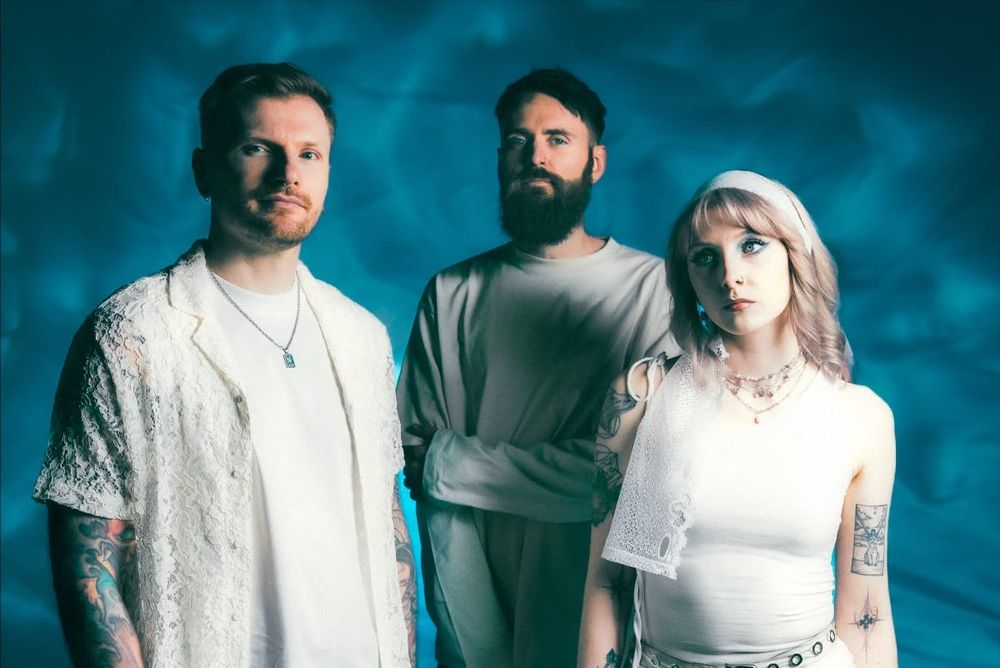
Future Palace have been making a name for themselves in the European post-hardcore scene, and for good reason. Their music hits just as hard lyrically as it does sonically as they dive into mental health and the emotional depth of the human experience.
Just ahead of the release of their fourth album, Resurgence, we caught up with the trio amidst their busy touring schedule to chat about its deeply personal themes, life on the road in the U.S., mental health, and the evolution of their signature sound.
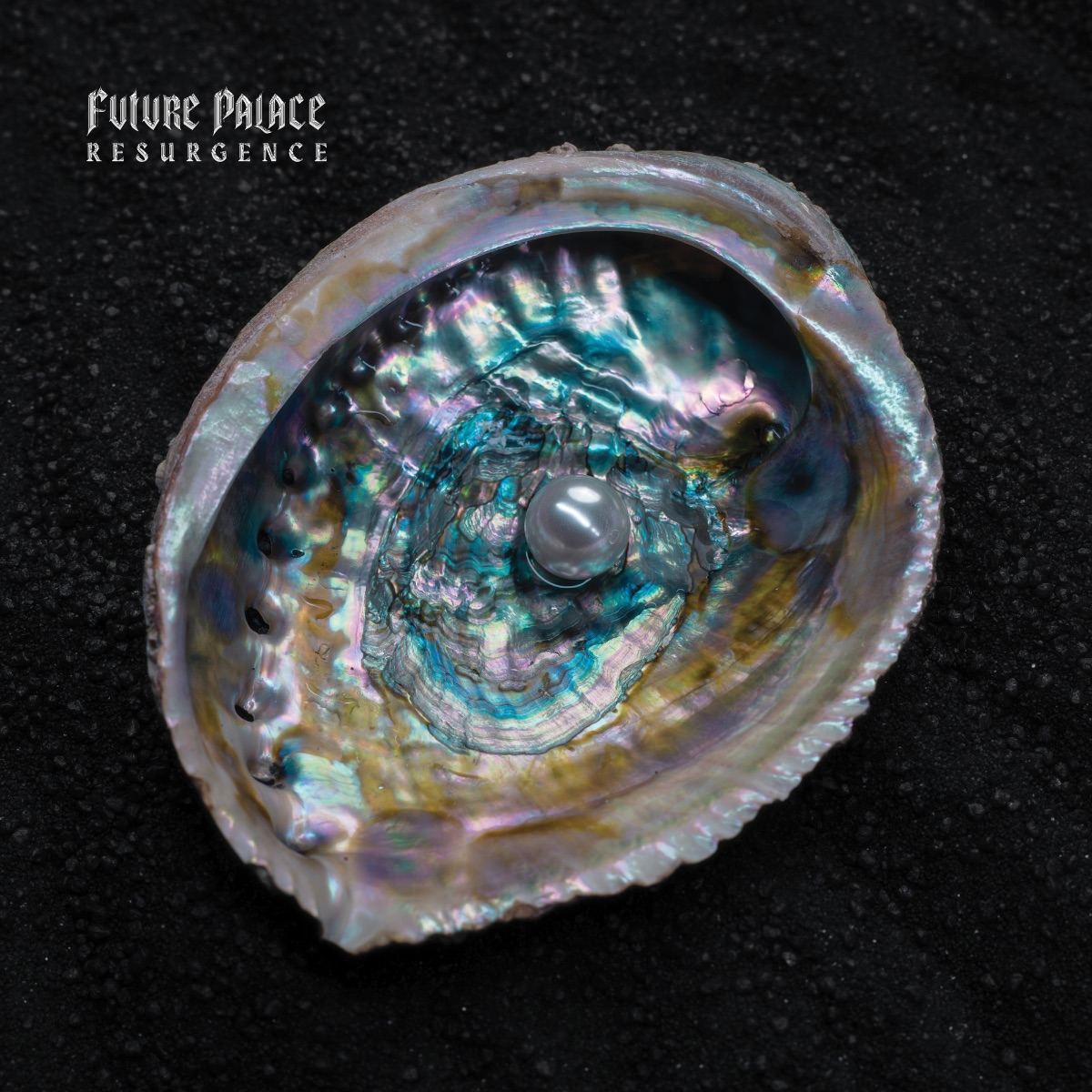
MSM: Your fourth album is titled Resurgence. How does this title represent both the musical evolution of the band and the personal transformations you’ve experienced since your last release?
Maria: It represents all of that. It’s a resurgence of Future Palace and of myself personally and as a musician. We put all of our power, passion, and experience of the past years into this album. I tried to improve as a singer, taking vocal and screaming lessons and improving my songwriting skills, and we also communicated many things within the band and took a step back to see where we could improve things, which I think was very needed and smart of us to do. I feel like you can tell that we tried to do things better with this album.
The album is described as blending post-hardcore intensity with cinematic electronics. How did you work to balance these synth-driven, cinematic atmospheres with the crushing breakdowns and heavy riffs your fans love?
Manuel: When writing the instrumentals, I don’t have a formula for how to achieve what we do. Many times I start with synthesizers and keys to combine melodies with chords or scapes. The next step is turning this into a rock song with drums and everything else. When it comes to the riffs and heavy parts, they are added in this process; sometimes they are at the beginning of everything. What’s probably most important is maintaining a certain vibe and energy. Coming from a posthardcore era with bands like Underoath who combined driven guitars and energetic synths is still a big influence, I guess. When we go to the studio with our tracks, the sound design is definitely also influenced by Julian Breucker, our producer for this album. He understands what we like, and we create the final songs with him in this direction.
Resurgence is said to capture "the fragile moment where despair slowly turns into strength." How did you structure the tracklist of the album to take the listener on this specific emotional journey?
Maria: The tracklist order was really important to me; I wanted to start the album in the state of the past, a rather depressed state, isolated and sad, throughout the album, the journey goes through anger, imposter syndrome/feeling lost, deep depression, and hopelessness and then finds its way back to love, hope, and strength.
Maria, you’ve called "Tidal Waves" "probably the most important song I have ever written" after years of trying and failing to write about this topic. What was the breakthrough that finally allowed you to put the complex, protective love of being a big sister into words/music?
Maria: It was my little sister telling me that she would move to another city. I suddenly got so much clarity and knew what to write right away. I got really sad when she told me that since we have lived in the same city since we were born, and I feel like it was so important for us to be close. She is not moving far away — but still this somehow was the reason I was able to continue this song and understand the form of love I have for her.
"Tidal Waves" touches on going through mutual pain with a sibling, ultimately making your bond stronger. How does it feel to lay bare such raw, personal family history in a song that is now being shared with a global audience?
Maria: Weird. As always when you share something close. But also powerful; we were able to process a lot of pain and turn it into something beautiful together.
Future Palace has never shied away from heavy internal struggles, tackling topics like depression and mental health head-on. Why is keeping these conversations active in the alternative metal scene so vital to your mission as a band?
Maria: It’s not about the metal scene; it’s about the world to me and the humans who live in it, and in times like today it is needed even more. Here in Germany, lots of health insurance services for therapy will now be lost due to trying to "save more money," which is a tragic day for mentally ill people. A lot of people in this world still don’t see the urgency of mental illness and how it affects so many people’s lives, which is surreal to me, still defending this in 2026, where there have been more than enough studies and examples of why it is super important. I know not everyone has a person they can talk to, can afford therapy, or has the power of finding help. Our music should be a safe space for that but also be an active confrontation that these problems exist in our society and need more support!
You’ve recently crossed the Atlantic for your first North American tour and celebrated a wave of upgraded, sold-out shows across Europe. How has connecting with such a huge, diverse international fanbase shifted the energy you bring to the studio?
Manuel: Every album we have done so far has a different energy, and this is also connected to us being touring musicians for sure. So this is a very interesting question. Playing our songs live is the moment when you really connect to your fans in this digital age. Everything else is more or less numbers and virtual, for me at least. When writing and recording our music, I always try to keep in mind the feeling of this live experience, the energy, the flow, the connection, the emotions, and how to translate how I feel the music. What I can already tell is that Resurgence feels so much better live than Distortion, our former record, and maybe this is also because of our tours and festivals during and before the writing process.
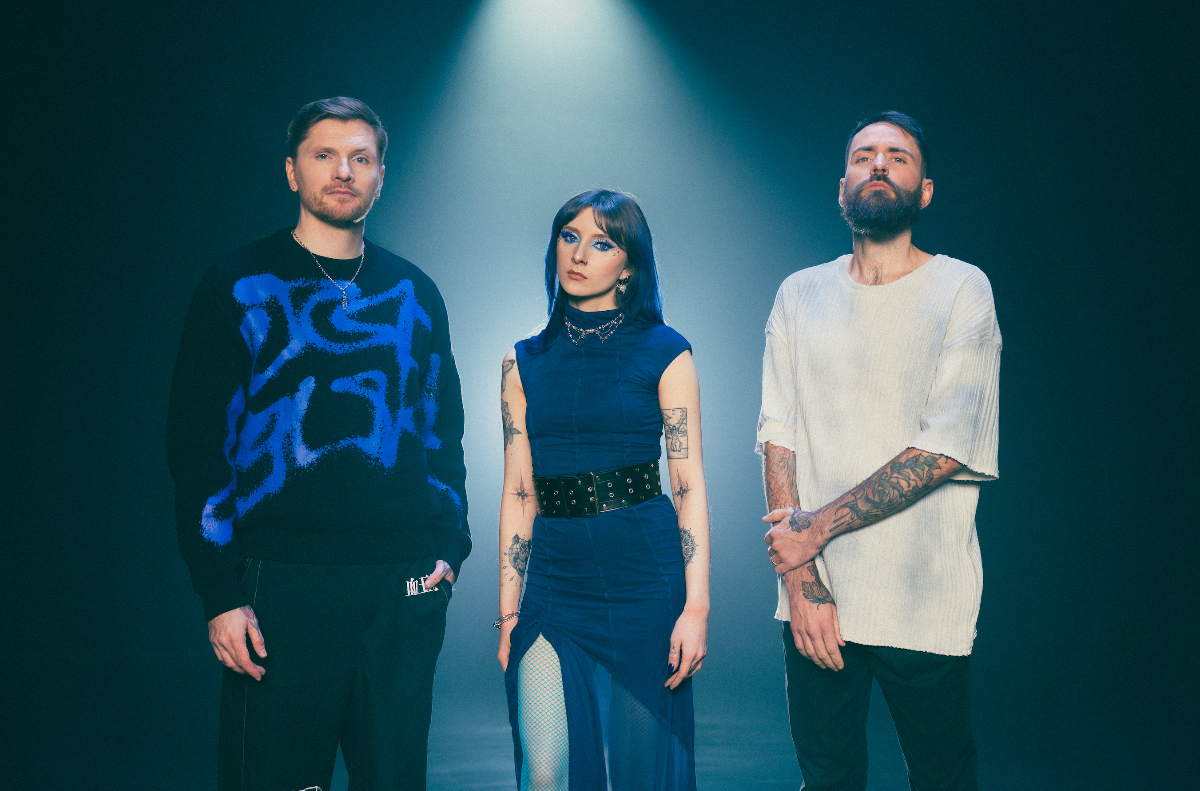
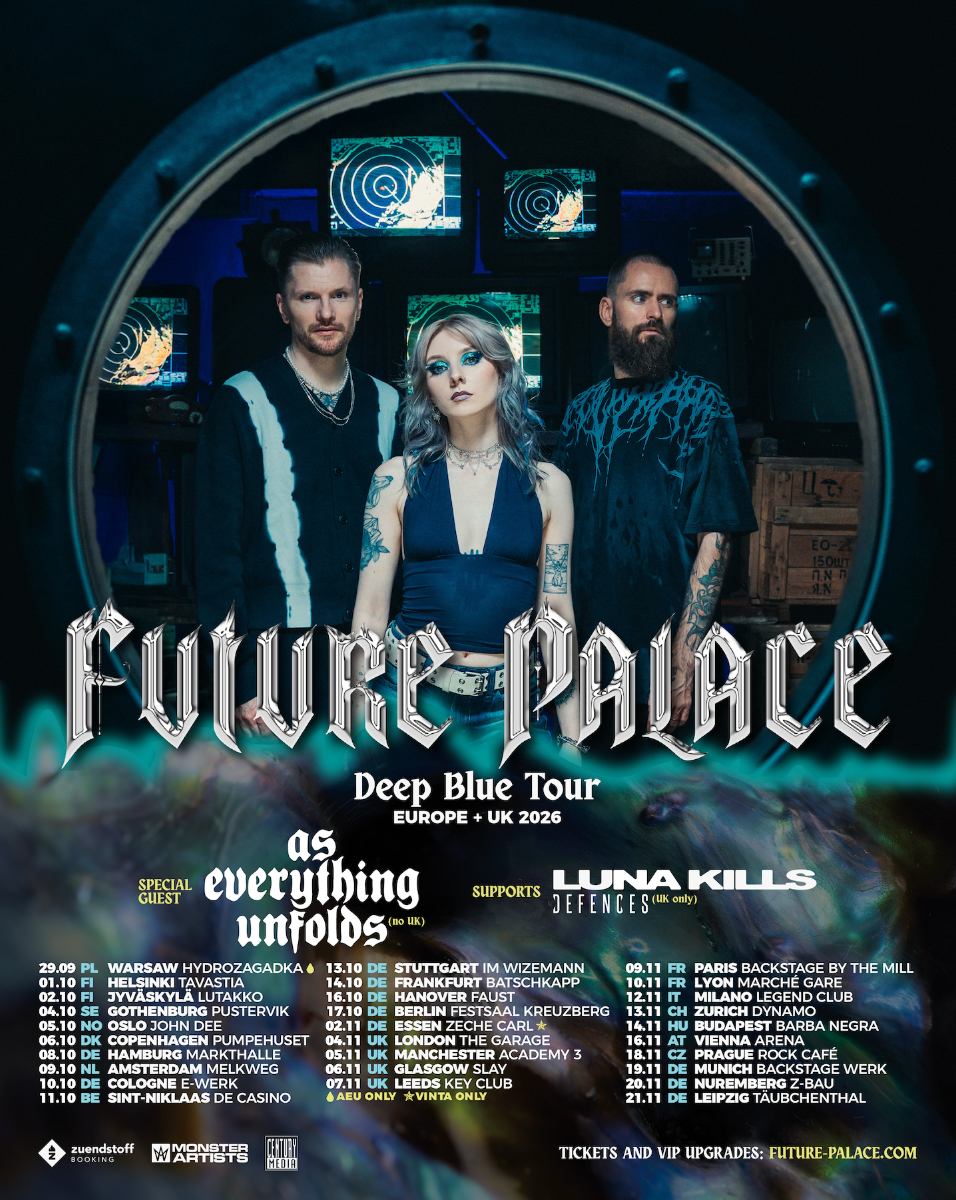
With Resurgence dropping on July 31 and a packed fall tour on deck, how are you planning to translate the cinematic studio atmosphere of these new tracks into your live stage performances?
Manuel: Musically, we have taken the live sound up a step, making sure we sound as big at a gig as on the record. I can definitely say we have never had a better sound before. Even the old tracks got polished so everything is on par with the new tracks.
What songs are you most excited to play live on your upcoming tour?
Manuel: All the new songs from Resurgence. We don’t play every track from the album, but almost. To see how they will work with an audience will be very cool. "Deep Blue" is always a nice one; I’m very much looking forward to "Symphony of the Clouds" as well.
You have built an incredibly passionate global community and have quickly become one of the fastest-rising names in modern metalcore. When you look back at your early days playing smaller venues versus now commanding monumental festival stages like Hellfest and Wacken, what has been the most surprising or rewarding thing about how your fanbase has grown?
Manuel: I am always impressed by how many people show up at signing sessions, that there are people who have been to so many of our concerts and even travel from other continents to see our shows. The combination of all these things feels surreal, and it kind of surprises me in a very positive way. We’re definitely taking all this for granted, so thank you to everybody showing us so much love and supporting what we do!
*Article Credits: intro by Lana Seiler and Melanie Williamson; interview questions by Lily O'Delia