


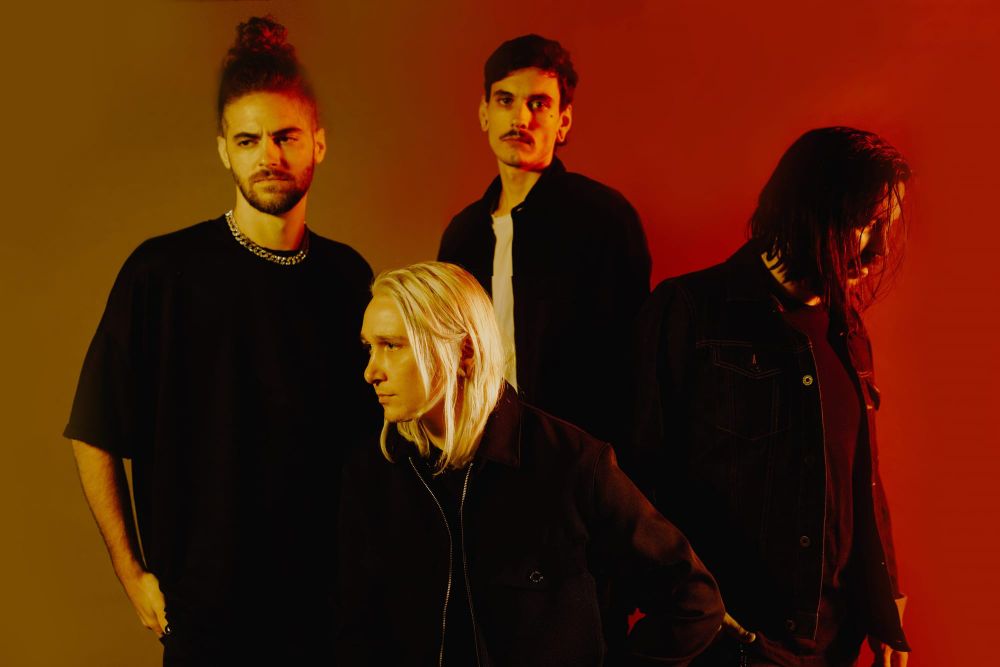
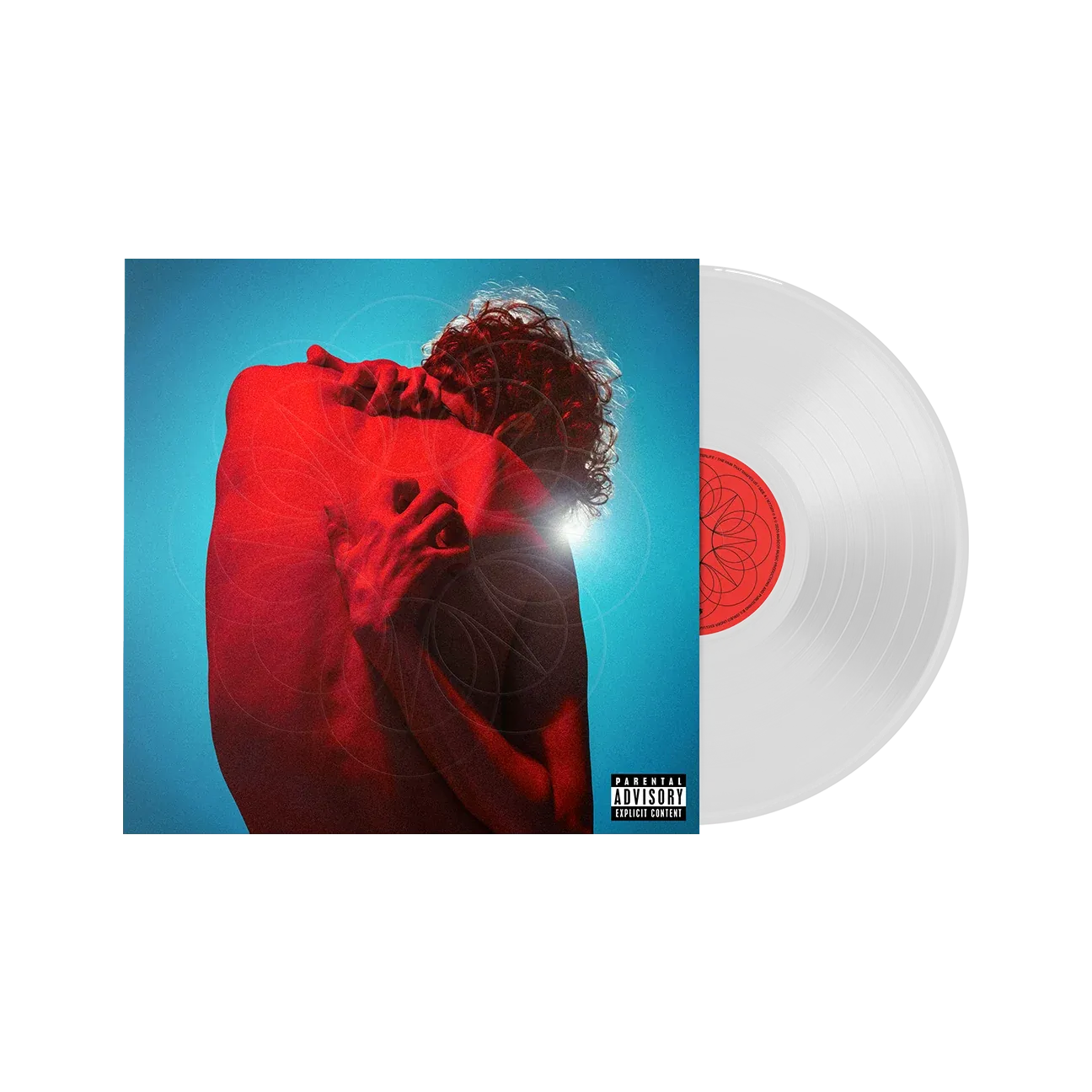
Afterlife is a hammering, emotionally intense, four-piece metalcore band out of West Palm Beach, Florida. I read that they were from Florida before the interview, but I found out they were from my neighboring city when Tyler Levenson and I got a chance to speak in September, right before they headed out for their fall tour. Their new album, The Pain that Shapes Us, is coming out on November 6th!
My conversation with him was a poignant and honest look at the arc of healing and growing in front of all of us, as the frontman for Afterlife. After hearing their music, I anticipated swimming in some deep waters in this interview, and that turned out to be true. They started in late 2017, and since then, a lot has happened in the life of the 35-year-old singer. After our conversation, I am stoked to hear the soundtrack for this new era of their lives.
MSM: “I saw you are a Florida band.”
Levenson: “Yes, West Palm Beach, Florida, to be exact.”
MSM: “I'm from Florida. I live in Lake Worth Beach, actually.”
Levenson: "Really? Right next door. That's literally crazy. I can't say exactly where I live, but we live here in Palm Beach, and we actually have three Florida shows in January of 2027. We're going to be supporting Nonpoint — we're playing Fort Lauderdale at Revolution, we're doing the Beacham in Orlando, and we're doing Jannus Live in St. Petersburg. So I'm going to be here.”
Tyler joined me on a video call from his home for this interview. His space looked thoughtfully put together and tasteful. His energy felt calm and focused. This was an interesting contrast to the thrashing, gritty, sometimes chaotic sounds that come through in their music.
MSM: "Between 2017 and now, what would you say are the biggest differences — how different are you now as a person and in the music?"
Levenson: “I've certainly grown quite a lot, just based on experiences from 2017 to now. I've experienced a lot as an adult, in many different aspects of life. And the band has gone through a few different things — we're all the same members, but it's grown in its ways. I mean, I've known my guitar player for 15 years. And our drummer — we've known him for almost the same amount of time. It's not just a bunch of guys that came together; we've all been friends for such a long time. So it's a bit deeper than a band at this point.”
MSM: “I'm thinking specifically about how our feelings evolve as we grow. In terms of the anger, or whatever had been going on for you in the first record — do you feel like your emotions or thoughts around the stuff you were writing about have changed in the last 9 years? And if so, how?”
Levenson: “I think it's certainly found more of a direction, because with Breaking Point there were a lot of unguided feelings. I didn't really explain why I felt that way or how to rationalize those feelings. I just had to get it out — which I felt added to the album's explosiveness and the aggression and the rawness and the vulnerability of those songs. I think it was a great outlet for that and really did that record justice. As I've gotten older, through songwriting and just my age and the process of the records, it started to become more refined. I've started to understand why I feel this way, how it got that way, and how to properly articulate that feeling into words — which is very prominent on the Part of Me record. We have a song on our first record called "Broken Home," which is just a raw, vulnerable story of domestic assault and domestic abuse. "Part of Me" was kind of the finale to that story. I received closure in that song.”
MSM: “That makes a lot of sense. What are some of the bigger themes in the new album?“
Levenson: “With the new record, a lot of it plays into the title, The Pain That Shapes Us, which is the culmination of the band's lyrical and expressive career, especially me as a singer and the writer. When I sat back with the record when it was finished, it came to me as bigger than me. It felt communal. It didn't feel all about me, for once. They (the songs) reach the feelings of our listeners a little more than they have before. We kick off the record with a song called "A Thousand Warnings," which, in my opinion, might be the most socially conscious song the band has, because I think there's a very serious issue in the world right now — that's what that song is about. It's one of my favorite songs on the record, and that's why we wanted to start the record with it, because it comes off with a message initially.
We have our song "Bad Habits," which is an introspective look into how I feel and things that I struggle with — I have these ‘bad habits’, but they can be good for me, because they help me focus or progress or whatever the hell it is. We have our song "Empty" which is a really special one to me, a unique song, because it's the first of its kind for the band. I wanted a song that was primarily all singing — raw, vulnerable, stripped in a way where it's just me and nothing else. That song is about heartbreak and loss, more relationship-based, and about being everything you can for someone and them not doing the same, and then you're just empty from that.”
MSM: “Yeah, I've noticed an arc with a lot of bands that I've listened to over my life, and interviewing bands and listening to interviews, where they often start very deeply personal and raw, and then gradually, as we mature, a lot of that moves into more of a universal or social, bigger perspective. Does this make sense?”
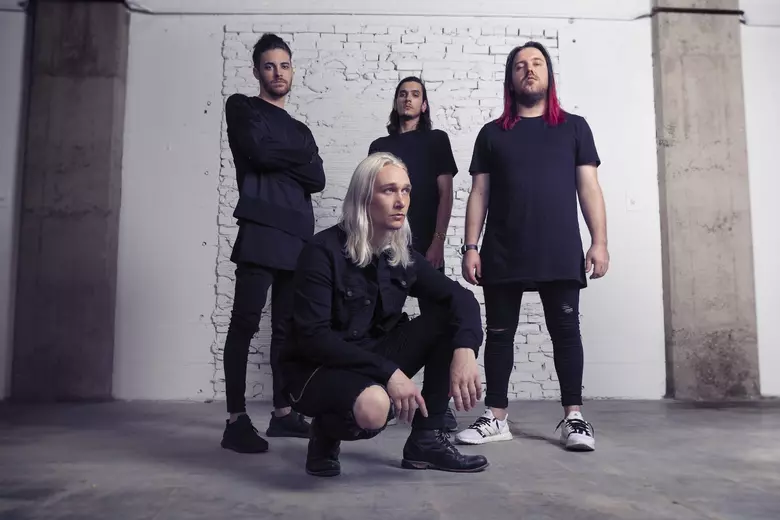
Levenson: "Well, I think it's because, at least for me, on those early records I felt so alone. I didn't feel like anyone else felt like that. So I think that's where a lot of the seclusion came from. But seeing the connection that these songs have to people, realizing I'm not alone and other people feel this way — I think that has lent to the communal aspect of the message. Realizing that millions of people feel like that — that's when you start to see the bigger picture, and your emotional expression broadens a bit, because you're able to empathize with others. At least that’s how it was for me.”
MSM: “Absolutely. Music saves people, right?"
Levenson: “I think there needs to be more transparency with artists and their feelings outside of the music, because you could put on whatever show you need to sell records, but behind closed doors — that's why there are suicides; that's why musicians died way before they should. It's just because no one's talking about it. And all it takes is one person.”
As someone who is a passionate advocate for more mental and emotional health support in the music industry, I appreciated Tyler’s willingness to name these issues head-on in our conversation. He strikes me as someone who just says the things that need to be said.
Levenson: “It's something that — man, I've had so many conversations with producers and the band over the years. I just like to say how it is. I like to be very to the point, because I think that is the quickest way to get to someone's feelings. But as we've grown, I've tried to say it in a different way. So it's almost like a fresh take on those feelings.”
I feel like there's so much more to me than my shortcomings, and so much more to me than these repressed feelings and all this stuff that I've written about before. But it's very hard to write a happy song. I mean, it's also very hard to write a sad song when you're not sad. So that was an interesting challenge for me, because life's pretty good. I've worked very, very hard to be where I'm at. - Tyler Levenson on songwriting
MSM: “How did your family and friends react to the first record, or to any of the records? Because I know there's a lot of personal stuff.”
Levenson: “Well, truthfully, I left home at 18, and that first record didn't come out until 2019. So I don't know exactly how my family reacted to it, because I just wasn't in contact with them in that capacity at that time. But down the road, obviously, I know they had some feelings about it, just because it's such a public platform to talk about what I went through. But it's what I went through, and I have to express that.
Friends and fans — there's been such a connection with it. I remember playing Broken Home from our first record live on so many different tours in 2019 and seeing the crowd kind of pull back and open up a little bit because there wasn't a judgment thing. It was like, 'Oh, this person on this platform feels the same way I do.' It felt like a safe moment in an otherwise very heavy set."
MSM: "Do you guys collaborate on writing?”
Levenson: “I write all the lyrics myself. Obviously I'll meet moments where I'm like, ‘I don't know what to say or what to write about.’ We have a song called "Sick of It," and it's about me feeling that all people care about is the sad shit. Am I capable of writing anything that's not depressing? Because I feel like there's so much more to me than my shortcomings, and so much more to me than these repressed feelings and all this stuff that I've written about before. But it's very hard to write a happy song. I mean, it's also very hard to write a sad song when you're not sad. So that was an interesting challenge for me, because life's pretty good. I've worked very, very hard to be where I'm at. It's hard to put yourself in a mindset of struggle and sadness and depression and heartache if you're not currently there.
That's one thing about us: every song is honest. It's real. It's the snapshot of how I feel. Nothing has been manufactured in that moment to have that song. It’s not an easy way to be.”
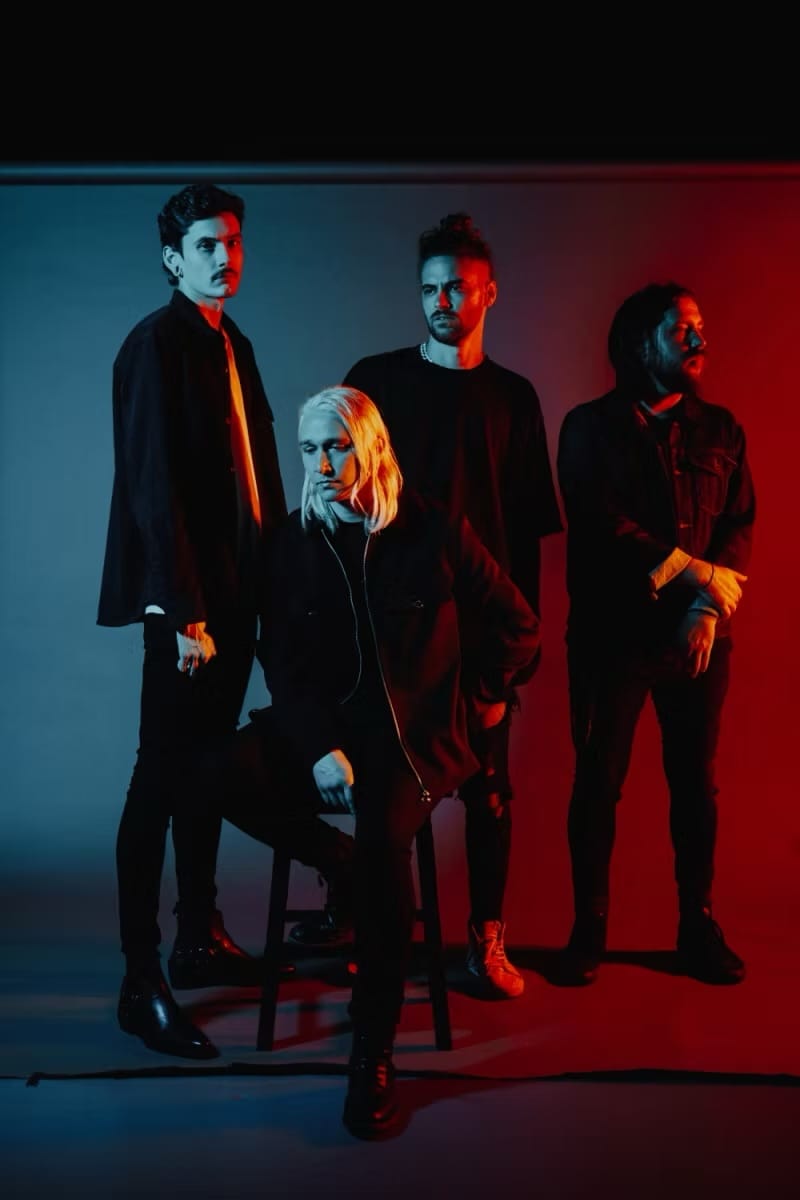
We spoke a bit about being immersed in darkness; I can relate a little because my specialty in my therapy career is trauma and PTSD. Then before I knew it, the tables turned for a minute in our conversation!
Levenson: “It's super interesting, because when people have these emotions, and they go see a therapist or whatever — who does the therapist go see?"
MSM: (laughs) “Therapists.”
Levenson: (laughs) “Yeah, I know, I know. But I can’t imagine having to be that sponge, and having to compartmentalize it so it doesn't affect your life. You obviously have to release it to someone so it doesn't build up on you. I can imagine it being a lot.”
MSM: “To be honest, you and I do a similar thing. I think therapists and artists in general do a similar thing: we metabolize things for people, we metabolize emotion so it doesn't get stuck. It doesn’t stick in me, because it moves somewhere for the client; otherwise I'm not doing my job. And I think art is a similar thing: it takes pain and difficulty and hard topics and metabolizes it into something that's cool and beautiful and interesting and deep, and you can then share and express.”
Levenson: “You're kind of like, 'All right, well, what's the next step? How do you get over that hurdle?' But yeah, as an artist I do experience that, one hundred percent. Growth is the name of the game. I wake up every day, and I think about how I can make this band reach one more person, every day.”
MSM: “To end on a couple of positive things — what would you tell your childhood self now?
Levenson: “Oh man. I think I would tell my childhood self to just continue taking risks, because I've experienced so much in my life so far. Just do what you feel is best in the moment and take a risk, because I'd rather live knowing I've taken all these risks and had all these experiences and all these different things that you can do in one's life, and not regret a single moment of it.”
MSM: “What is one of the best moments that you've had since your career started?”
Levenson: “I think one moment that really stuck out to me was seeing versions of my younger self in the crowd. Because there was a point in time when I was that kid in the crowd, just in the moment, in the music — there was no concern about the production, the sound. I was enjoying it. And when we go up there and we tour and we perform, I see that in the crowd so much. It's something that keeps me very focused on my dream. Because it would be a shame if someone came to see us and they felt like the passion was gone. That could have been the spark for them to want to start being a musician, or whatever the case is. I just love seeing that.”
Truthfully, it felt like I could have spoken with him for hours, but sadly I had to let him go off to the tour! They will be wrapping up at the end of January in Florida, so if you're down in the Sunshine State, get tickets here:
https://afterlifeofficial.com/pages/tour-datesFollow Afterlife on their socials for all the latest, and look out for The Pain That Shapes Us on November 6th!
Note: This interview was edited for length and clarity.
