

In 1971, a humble distribution of an abnormal, pseudo-Japanese single began in Europe. A powerful yell of a deep, authoritative voice paired with a ringing gong calls forth a layering of East Asian instruments. Sounds of large, wide drums and the wavering pitch of a sitar, and atop it all, a unified choir of young voices. The lyrics they call out sound Japanese, but if you could understand them, they are actually a clunky, phonetically-pronounced, error-riddled distortion of the language. “Yamasuki” was the debut song from a group known as Yamasuki, released by the independent Belgian label Biram. The funky, psychedelic, and cultural-sounding track would ripple through communities across France, Belgium, and Spain, whose curiosity elongated the life of what was only ever intended to be a one-off single.
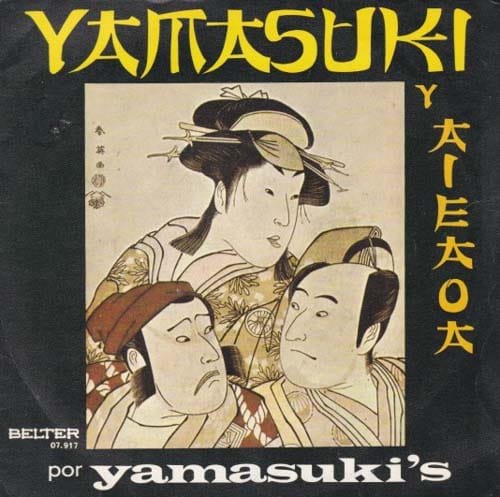
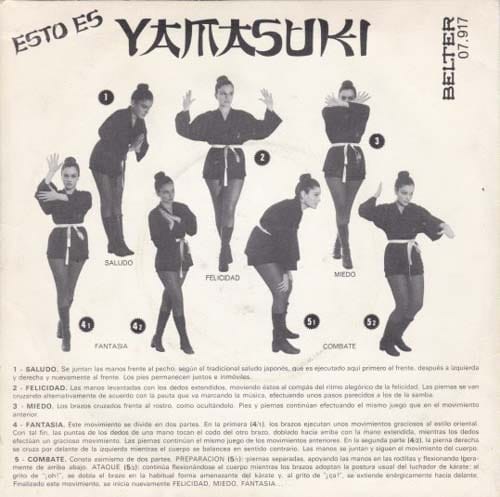
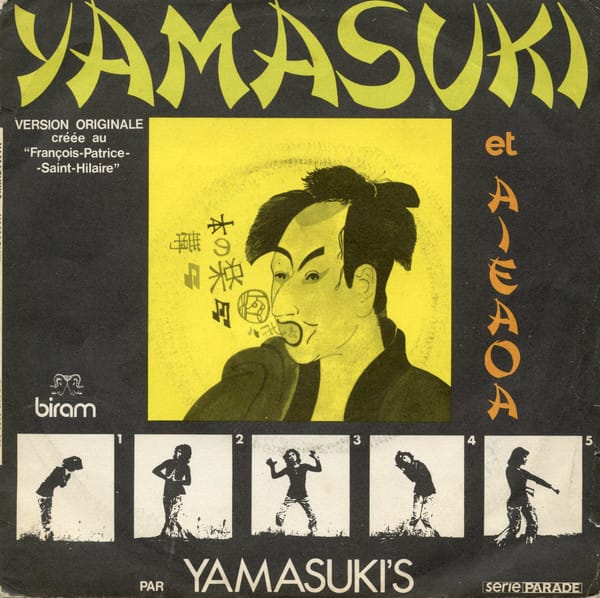
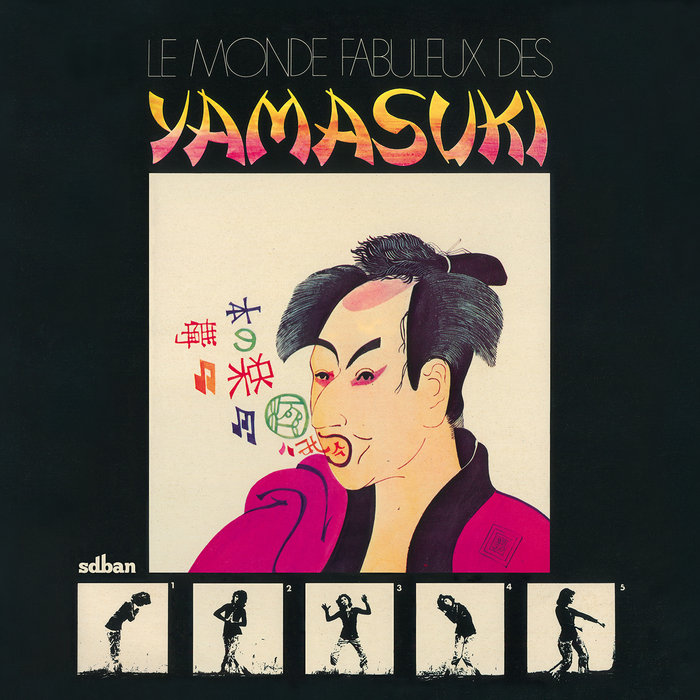
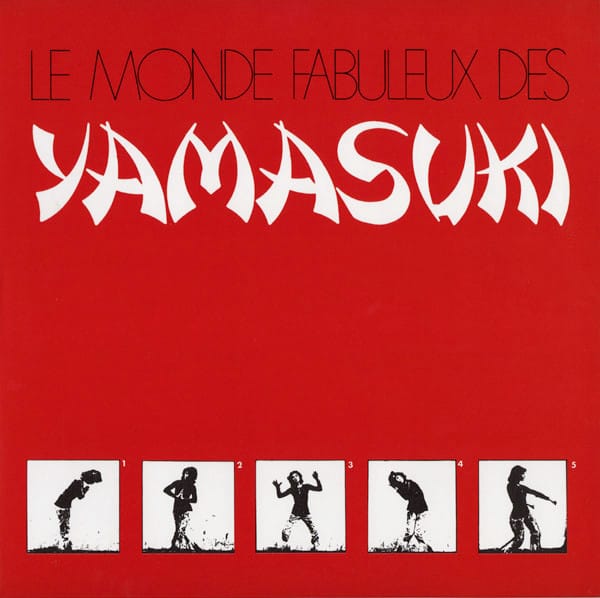
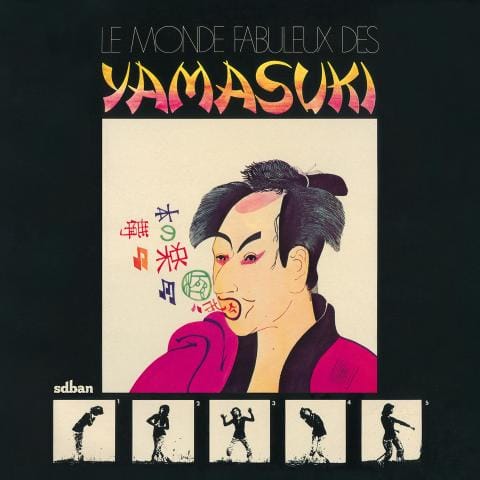
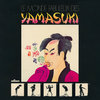
Yamasuki’s single art featured a multistep photoset instructional for the song’s accompanying dance, choreographed by its writer, alongside a B-side track, “Aieaoa.” The song and dance craze was followed by another release featuring A-side “Anata Bakana” and B-side “Yama Yama,” and by the end of the year, the full album, “Le Monde Fabuleux Des Yamasuki” (The Fabulous World of Yamasuki), was released and attributed to the alias artist name Yamasuki. The French-titled pseudo-Japanese psych-funk pop record would find early success across Europe and retain interest amongst niche communities in waves for years to come.
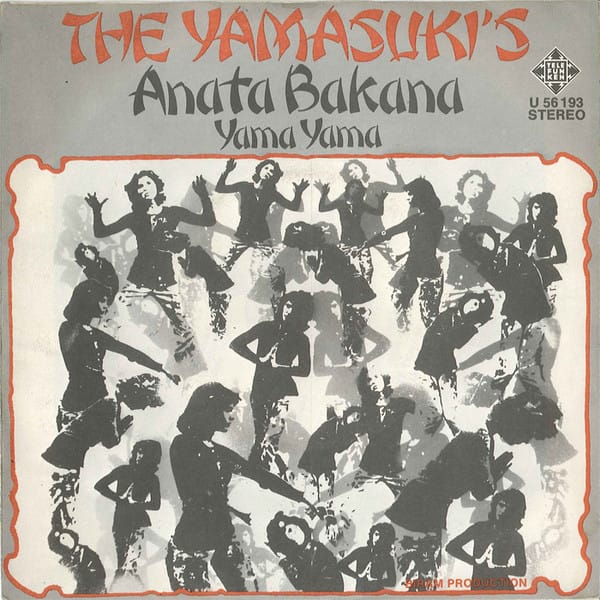
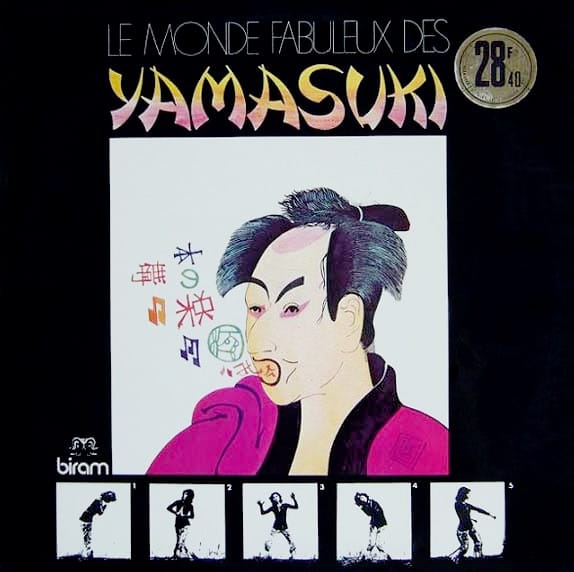
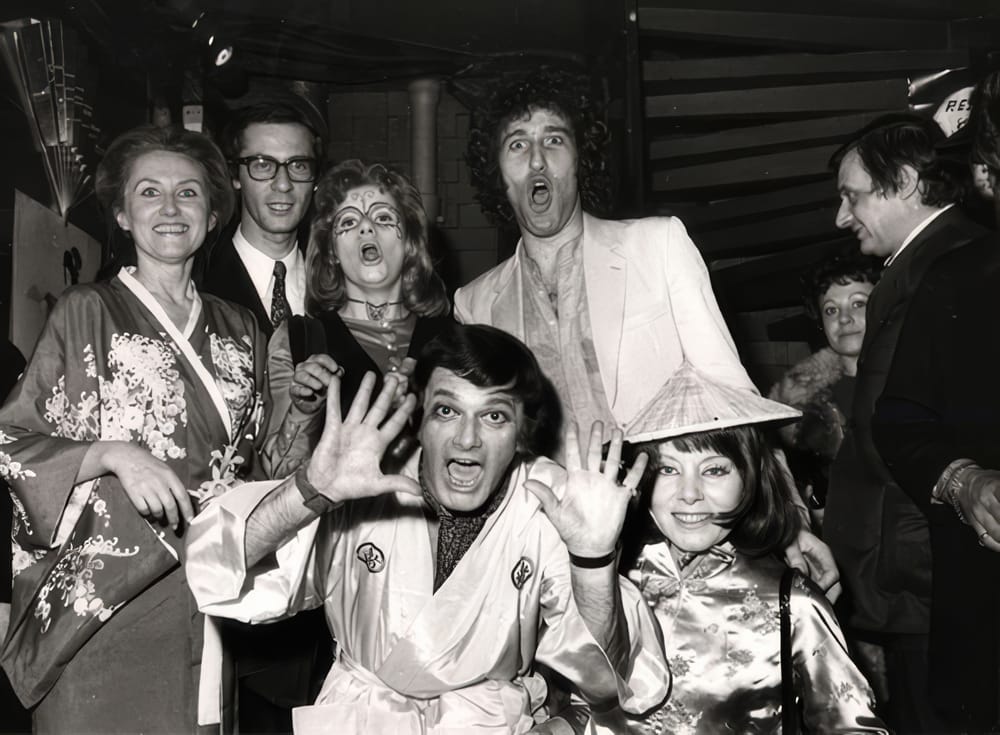
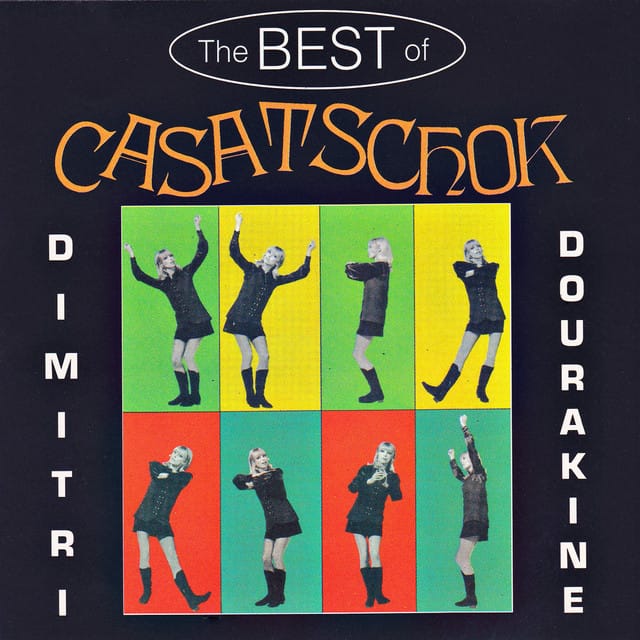
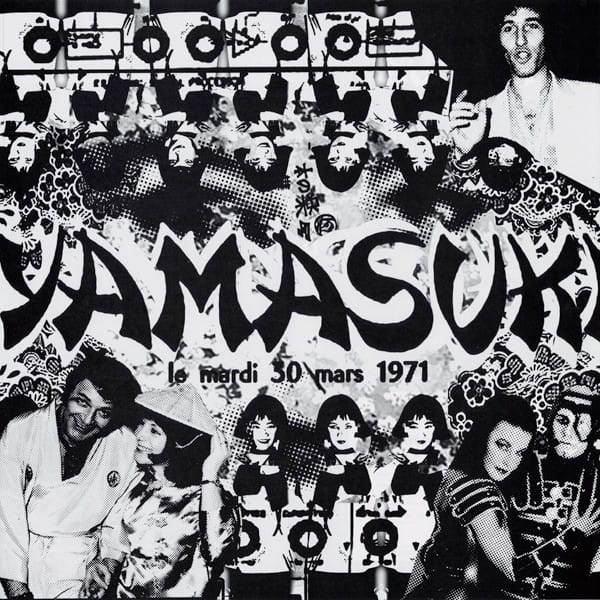
Despite the curated aesthetics of the album, the pan-cultural fictional world of Yamasuki was born from the minds of French writer Daniel Vangarde and Belgian writer and producer Jean Kluger. Yamasuki was not the first time they had had cultural influences apart from their own. The two had previous experience with foreign language collaboration in their 1968 release of "Casatchok" by the Russian-speaking Dimitri Dourakine, which accompanied a dance choreographed by Vangarde. The cover of the album featured instructional snapshots of the choreographed movement, mirroring what would be an iconic part of their future project’s success. Finding the ears of interested listeners across Europe that same year, the two would turn their sights to a project a bit more experimental. Yamasuki was released in 1971, alongside its created dance, and as planned, found life in France and Spain in the summer. At the time, the two writers had never set foot in Japan, instead creating a record that’s “Japanese, but complete fantasy," as Vangarde put it himself.
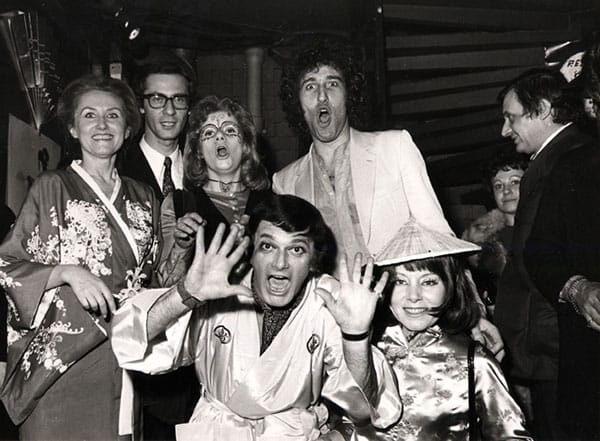
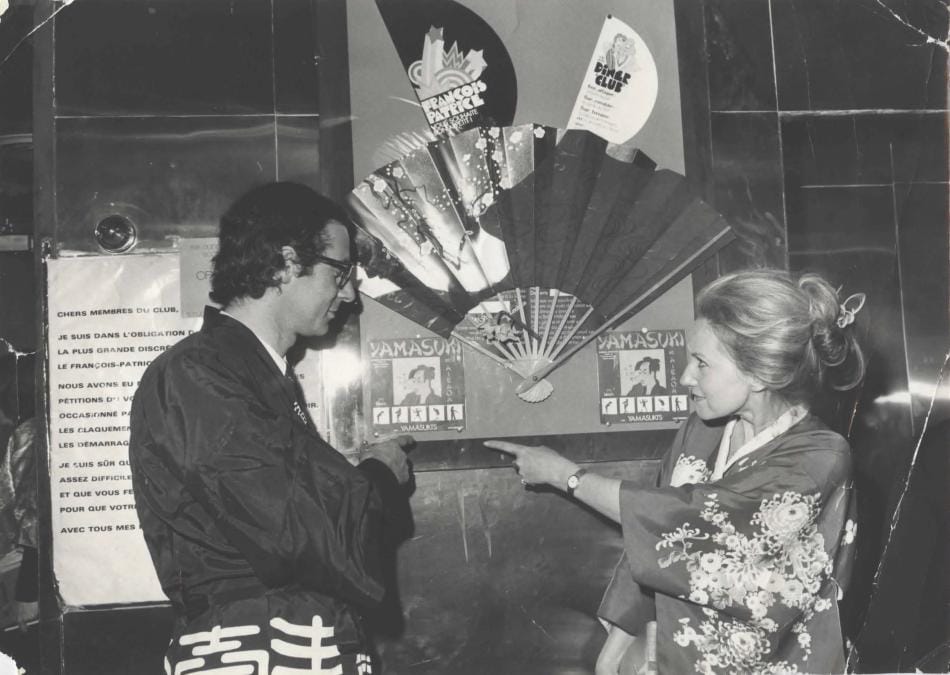
Jean Kluger with glasses, Daniel Vangarde in white suit
The exploito-pseudo-rock opera fantasyscape paints the fictional idea of a country that lies continents apart from where it was written and recorded by none of its inhabitants. At the time of the album’s creation, and to the best of my knowledge to this day, the two European writers don’t speak Japanese. The duo learned Japanese in order to create this exotic album to explore new sounds and trends emerging from across the world. To do so, they utilized a collection of literature, most often a handy English-to-Japanese dictionary. This limited exposure allowed them to miss a number of contextual and grammatical translations and errors. They also directed the children’s choir to overpronounce words phonetically as they were introduced in the dictionary, leading to a clunky and at times indecipherable experience for Japanese speakers. The duo also recruited a renowned black-belt Judo master for his kiai chanting, who allegedly had such bad rhythm he had to be pointed at for each of his cues lest he miss each one.
Nevertheless, the completed sound is exceedingly unique as a blend of shallow Asian cultural inspirations mesh with Latin funk lines and Afro-Brazilian rhythms. Admittedly, to someone who doesn’t speak the language, as I’m sure most European listeners in the 70s with no easy way to translate also didn’t speak it, the album successfully resembles a seamless foreign sound that conveys its intended emotions and experiences. For what the two lacked in cultural understanding of where they appropriated their sounds, instruments, language, and inspiration, they made up for in understanding of music production, talent, and effort put into the record. Both artists were already very successful disco and pop producers; Vangarde later became the father of Thomas Bangalter of Daft Punk. They knew how to produce a dance-eliciting, ear-burrowing album that would surely catch on.
With physical copies originally hard to find due to the nature of their initial release, the album circulated quietly amongst French students trying to learn Japanese for a time and, later, throughout hip-hop, funk, and psychedelic communities. Around 2005, the remastering from original producer Jean Kluger, utilizing original studio tapes, would be rereleased by Andy Votel and Doug Shipton’s reissue label Finders Keepers, who brought it to CD format for the first time. The album had regained life due to the label's small team of music fans who scour record crates, dead internet links, and complicated royalty deals to be able to share niche gems with wider audiences. In a funny return to form, the album is currently being reissued this week on vinyl by independent Belgian label Sdban Records and is available on Yamasuki’s own Bandcamp page right now.
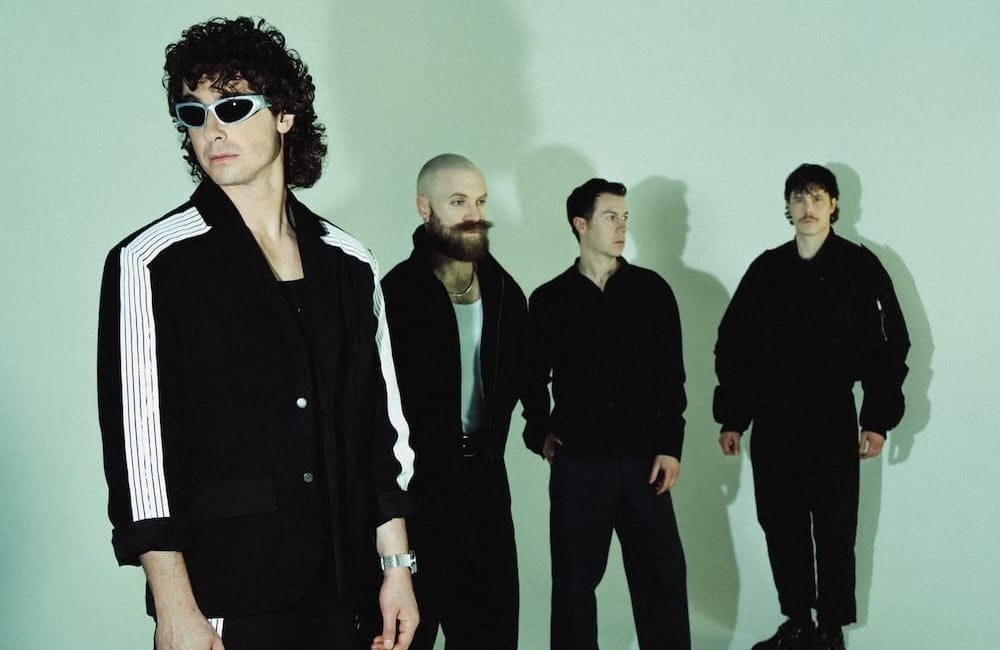
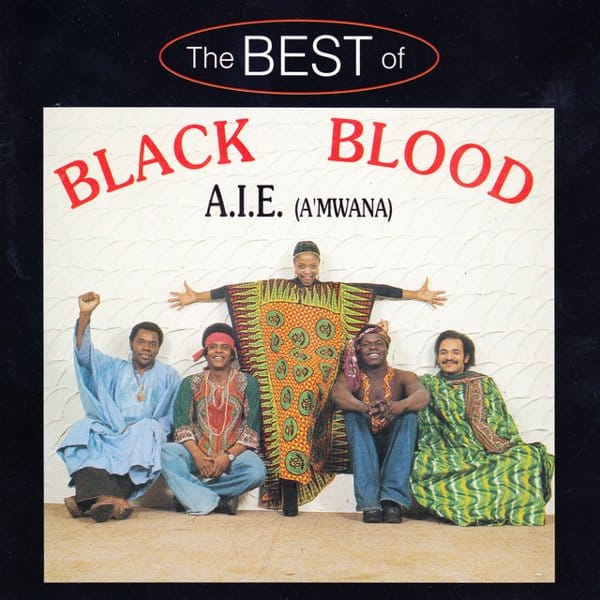
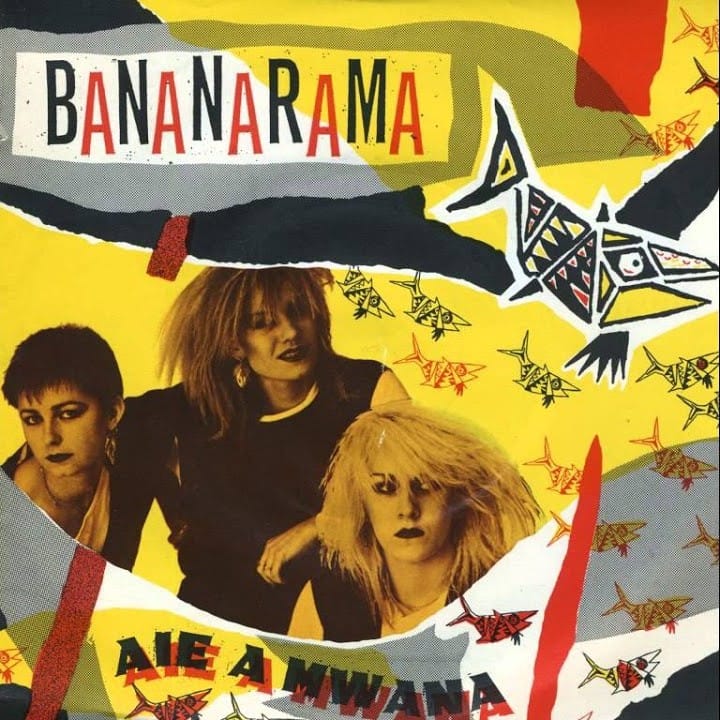
Though the album’s popularity naturally fizzled with time, its parts would intermittently find life in the form of samples, covers, and reworkings steadily over time. Just four years after its initial release in 1975, “Aieaoa” was retranslated into Swahili, apart from the lyrics “Aie a Mwana,” which never had any real meaning, and released by the African group Black Blood as “A.I.E. (A Mwana),” reaching number one in Belgium and France. A handful of years later in 1981, it would be covered by English girl group Bananarama and released as Aie-A-Mwana, which went on to be their first hit in the UK. Much later in 2010, the song would again find legs among South African singer Velile Mchunu and Danish percussion duo Safri Duo. Created in collaboration with original producer Jean Kluger and retranslated into Zulu, the collaboration titled “Helele” was released and used as the official trailer song of the 2010 FIFA World Cup and peaked at number one in Switzerland and number two in Germany. Other reworkings include "La Revancha de Macumba” by Veronica Castro in 1991, “The Healer" by Erykah Badu in 2007, “Your Own Religion” unofficially released by TV Girl in 2011, and “Yamasuki-Yama Yama” by Dope Lemon in 2025, among many others.

In an interview with Clash Music, Vangarde would say of the song’s continued life through sampling, “It’s always strange. It was funny when I heard it in the second episode of Fargo. You never know what will happen with a piece of music, or a song, or a production,” referring to the song’s usage in the FX Original Series, Fargo.
“Le Monde Fabuleux Des Yamasuki” is absolutely an album that should not work. A Frenchman and a Belgian leading a children’s choir and judo master in a language they’re reading from a dictionary should not be such a successful way to make an album, but alas, here we are. Sometimes an idea so crazy just has enough talent behind it to truly be something unexpectedly special. In the case of Yamasuki, everything just comes together in a unique celebration of music’s most eccentric combinations of sounds. Despite its shallow, naive creation, it’s a triumphant sound experiment celebrating an optimistic global view through its multicultural components with a fascinating history behind it. “Le Monde Fabuleux Des Yamasuki” by Yamasuki continues to challenge ideas of music decades past its introduction, and I look forward to seeing the album’s continued mutation as its timeline grows.
 nyx99
nyx99