
What do you get when you throw indie rock, classic surf rock, a dash of punk, and a healthy dose of high energy into a blender? You get INOHA, a band that brings all of those influences together into a sound that feels funky, fresh, and entirely their own. The rising act from San Antonio is having one of their biggest and most exciting years of their career yet, coming off a successful tour with Good Kid and continuing to ride that momentum with the announcement of their sophomore album, This Might Be Useful.
There’s fun to be had both in INOHA’s music and the personalities they bring to the endless void called the Internet. Songs like “Saturday Nights” capture the feeling of letting loose and making the most of the moment, with the group making it clear that any night can feel like a Saturday night when the energy is right. Tracks like “Seventh Heaven” show a different side of their sound, while their DIY videos give fans an equally memorable look at the personalities behind the music. Often funny, intentionally authentic, and never over-polished, INOHA promote themselves less like a distant band and more like a group of friends you want to be around.
They’ve released two songs ahead of their album, out today, September 4th, 2026, as they prepare for their two-month tour across North America. “Are We Cool” addresses the topic of poor communication and mixed signals in relationships and their disinterest in entertaining drama, while “Everything Is Nothing”—which also has a music video filled with 90s pop culture and gaming nostalgia—emphasizes the topic of accepting failure, moving on, and living life unapologetically because, in the end, nothing really matters, while also comparing himself to Bruce Wayne and Jackie Chan.
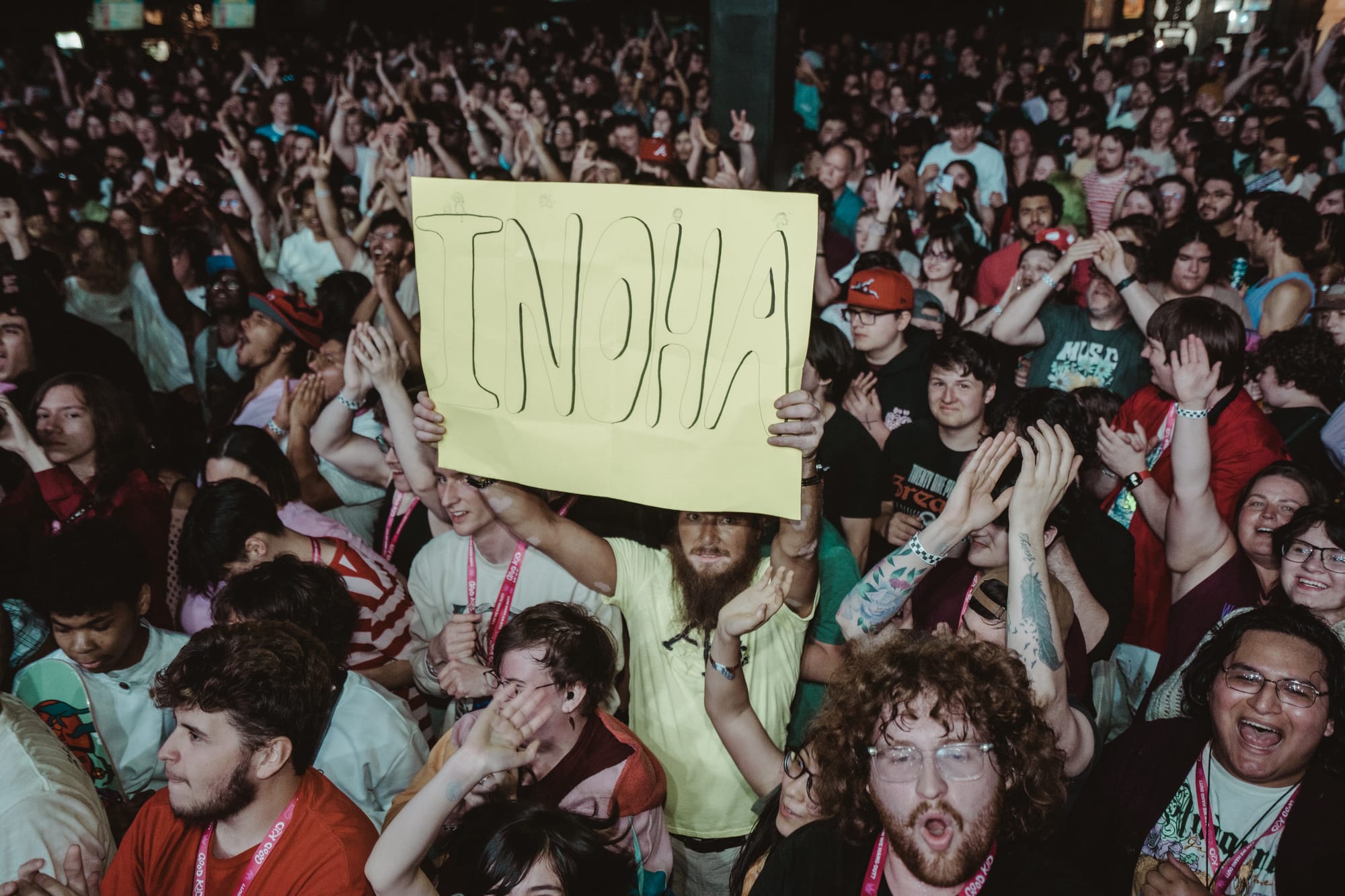
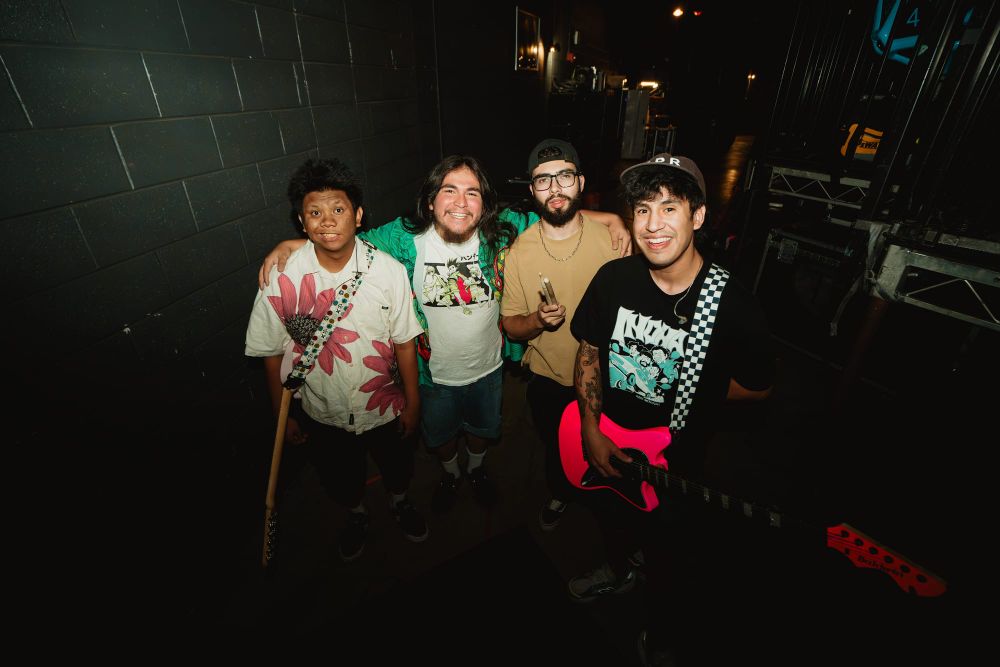
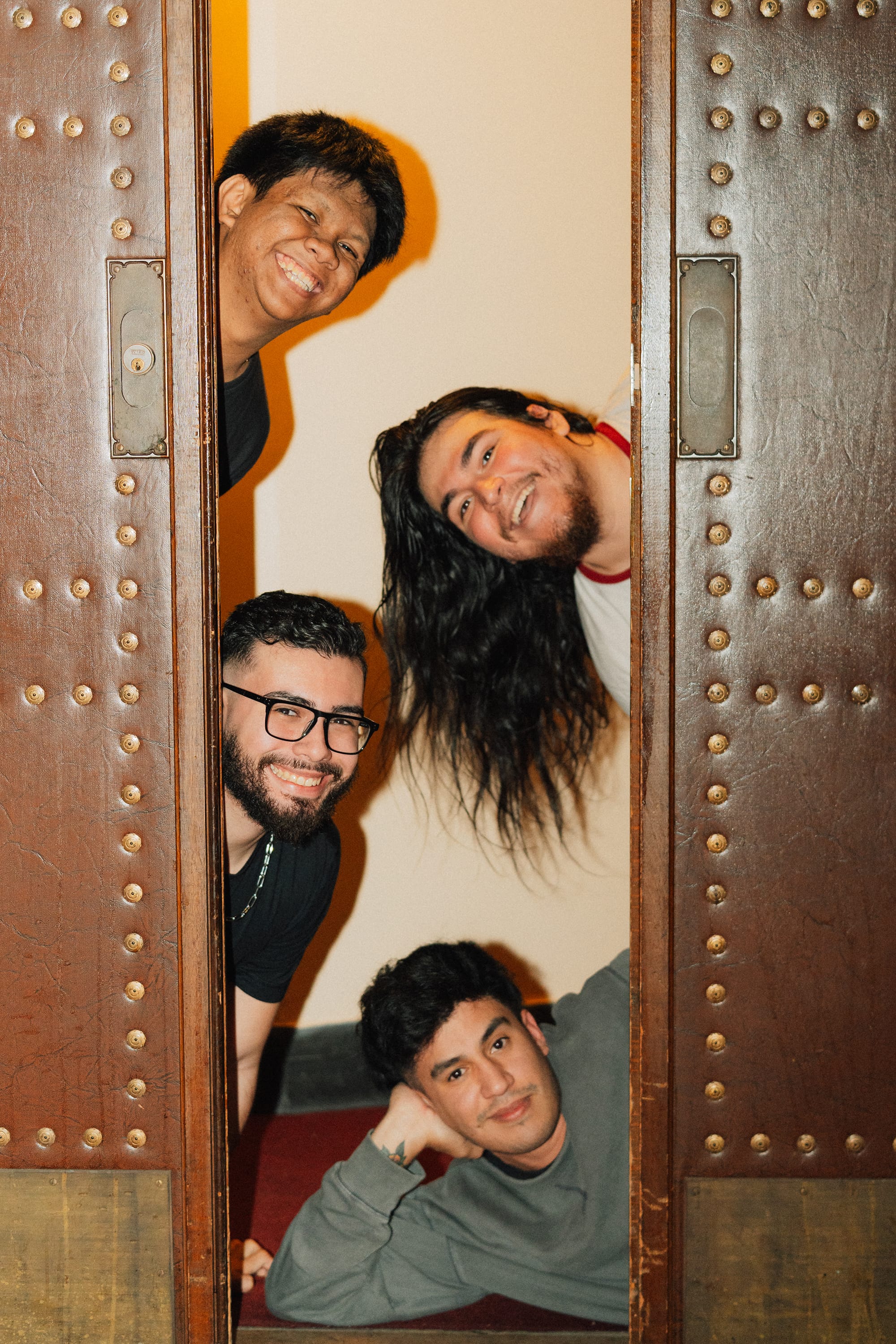
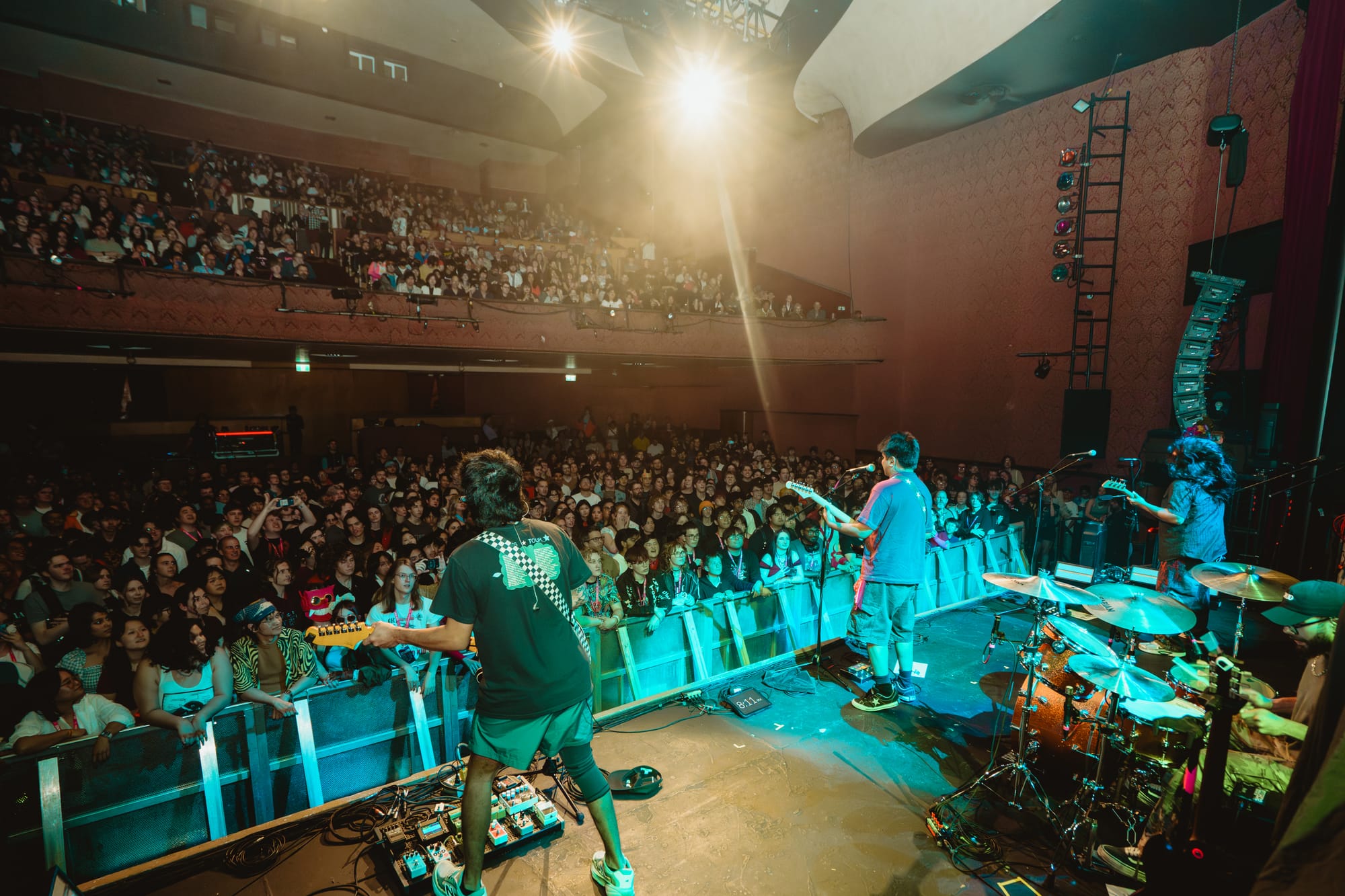
INOHA is comprised of Keanu Bicol on rhythm guitar and vocals, Chris Young on bass, Gavin Gonzalez on lead guitar, and Ricky Juarez on drums. Between their high-energy music, lively stage presence, and the sheer unpredictability of their live shows, you never quite know what you’re going to get. I’ve seen crowds break into "PBR" chants, Beyblade battles midset with another local band, and even a papaya crowdsurfing during “Papaya Man.” One thing is certain: when INOHA takes the stage, you’re bound to have a wonderful time.
This Might Be Useful is out now on all streaming platforms.
From the start of INOHA to now, what feels like the biggest difference in who you are as a band?
Gavin: We’re quite literally five years older; it’ll be five years for me this September. When we started, I was still in college and had just moved out. The way you develop, how you think about things, and how you play music — all of that changes in your early twenties. These guys were about 17 or 18 when we started. The amount we’ve grown in that time — we're quite literally growing up. A lot of that has translated into how we think about music, how the lyrics are written, and how we play it. That’s our biggest difference.
Chris: On top of that, learning how much we can physically take now that we’re getting older. I have back problems now.
Gavin: Put it there: Chris is unc, at the tender age of 23.
(laughs)
Ricky: The biggest difference, beyond years and health, is that we’ve matured, our influences have changed, and our approach to writing has changed. But I think the biggest difference is how we handle the responsibility that comes with the band’s growth. Since there’s so much more attached to that growth now, we have a much better grasp on being a band at this level.
How do you keep your sound evolving while staying true to who you are — and how have your influences changed?
Ricky: When we started the band, I was 19, just coming off high school and college, still learning music and pulling from everything I’d grown up with classic rock and jazz. That gave me a spontaneous feel on the drums. But as I worked with the band to craft songs, I tuned my approach. I listened to their influences, what they identified with and grew up with, and started to understand why they might hear things differently than I did. That changed the way I listen to songs. Gavin likes to reference songs when we’re writing something new, “this idea sounds like this song I love”, and I’ll listen to it through his lens. That’s how I craft my drums now, by letting their influences rub off on me.
Good art doesn’t come without conflict, too. We butt heads a lot, because we’re all trying to reach the same goal by different paths. Every band before us, the Beatles, Led Zeppelin, the Rolling Stones, got into conflicts too. Not fistfights, nothing like that, but we do butt heads about the creative direction of songs. Ultimately, the emotion channeled through that process is reflected in the final product, because we’re all passionate about what we do. So as a listener, you get a great product, at the expense of our sanity. Or at least we hope it’s a great product.
Were you surprised by the response to “Seventh Heaven,” or did you realize it was something special when you recorded it?
Chris: We all recorded the songs for this album thinking, “these are awesome songs, we want to put them out,” but we definitely weren’t expecting a song to become as massive as “Seventh Heaven.” It wasn’t something we planned on. I personally loved it even before it came out; I was telling these guys it was my favorite song on the album and that I thought it would be the biggest one. It ended up being just that. We’d seen other people have a song blow up online before, but we didn’t plan for it or have expectations of it, we just put it out because we knew it was good.
The title comes from finding meaning in things we overlook. Was there a specific moment or song during the writing process where you realized that should be the focal point of the album?
Gavin: No, not at all, that was actually the last thing we came up with. It just kind of worked out.
Chris: We wrote all these songs starting with cataloging, just throwing out a bunch of different ideas, kind of like throwing darts at a wall hoping one hits a bullseye. As we did that, we started noticing where some of the darts were landing, these ideas were correlating, connecting, and that’s how the title came together in the end. Ricky actually came up with it: that these songs all fit together under this theme.
Ricky: When we were writing the album, the through-line, Chris has said this a few times, and I like how he puts it, was pressure, and overcoming it. When we got the album art, it had almost a cluttered look to it, not hoarding, but more like someone holding onto things because they didn’t know how to let go of them. Like these items had meaning, a memory attached, even if small, even if banal, just something they couldn’t let go of. Looking at that image, listening to the songs, and understanding that through-line of pressure, I realized these items, these songs, these objects, might be useful to the listener, to anyone. That’s where the title, “Might Be Useful,” came from: you can’t let go of something because it might be useful to you.
Which track on the album was the most difficult to write, either emotionally or logistically?
Chris and Gavin: Collectively, we all know the answer: “Figure It Out,” the opening track on the album. It was the hardest to write together because we all had very different opinions on it, that was the butting heads incarnate, honestly. We recorded three different versions of it, all different in a lot of ways, but we came together and eventually got through it, finding the parts we liked and putting the puzzle pieces together until we had something we were happy with.
Ricky: I’m not sure there was really an emotionally difficult song. The only emotionally difficult part was the frustration of all of us aligning on what we thought made a song good. That probably made “Figure It Out” the most emotionally, logistically, and physically taxing song to complete, we had to record it three times. We’d record a version, listen back, come into the studio, and it still needed another pass. We did that three times, and on the third we finally got it right, multiple 12-hour sessions. Good title for it, though: we figured it out.
How has the San Antonio alternative scene shaped you as musicians, and what other bands in the area should people keep an eye out for?
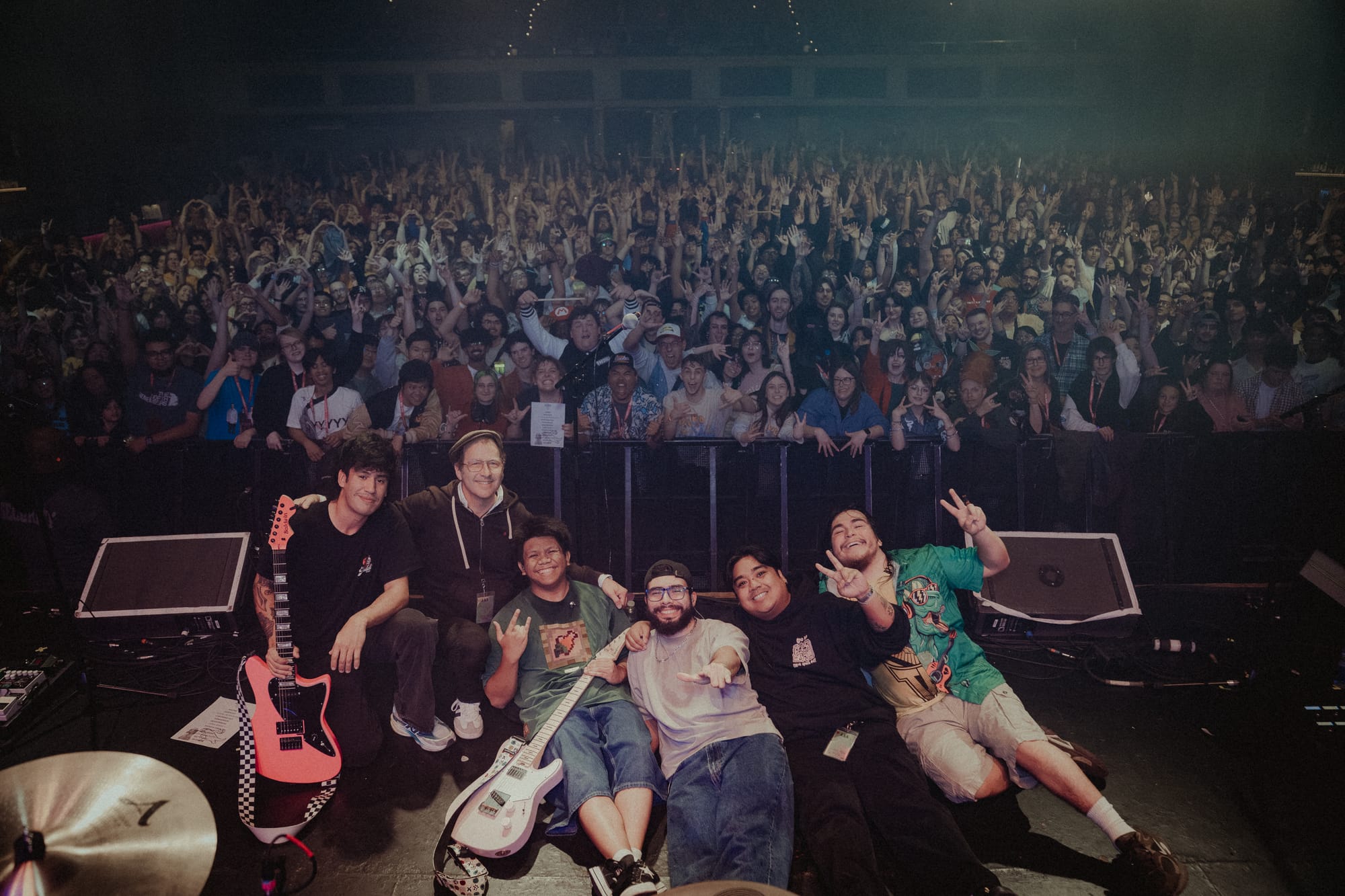
Gavin: We owe our success to the other bands in our scene. They’re the reason we’re where we are now. Even before we went viral, there were a year or two of us playing local shows with other bands in our scene, and they’re quite literally the reason we were introduced to each other. Without them, we wouldn’t have met, or would’ve been playing completely different music, or wouldn’t be where we are now.
Some bands to look out for: Lease Agreement - they’ve been around since before us, they’re friends of mine, and they make awesome music, criminally slept on. My Pelote — if any band is going to break out of San Antonio right now, it’s them; they’re right on the verge and have something special. And Roshi has also been around longer than us, also friends of ours, and they make amazing music. Those are our top picks.
One more: Mickey Darling. They used to be from San Antonio and aren’t around anymore, but they were an influence on us, whether they knew it or not I saw them before they broke up, at a backyard show, and that was a big influence on us.
You’re hitting the road from mid-September to November. What’s the one survival item or routine you absolutely cannot live without on tour?
For Keanu, it’s golf clubs. He’s gotten into golf since our last tour and has spent more on his golf clubs in the past two or three months than on all his guitar equipment combined. He’s really into it right now, takes private lessons, and from what we’ve seen, he’s getting pretty good.
Chris: One of the new things I got into on the last tour was Magic, I’ve started collecting more cards. I was already, and still am, super into Pokémon, and I have a whole collection; I take a binder on tour so that if fans give me cards, I can add them. Now I have to bring my Magic deck too, because I never know if I’ll have time to play. Our tour manager, CK, is also into Magic, so we might get a few matches in before a show.
Ricky: I always have protein shakes on my rider, it’s not something I can’t live without, but it’s something I keep on hand because I have fitness goals.
Gavin: We’ve picked up the gym recently, too. For me, it’s fiber supplements. It’s hard to eat well on the road, especially after shows, when nothing’s open except gas stations, Taco Bell, and McDonald’s, so you need fiber to keep things moving properly. It’s expensive; we stock up on bottles of it, and whatever’s left over, I stuff into my suitcase, and it lasts me until the next tour. I’ve still got three massive containers sitting in my pantry at home, ready for whenever it’s time.
How would you define success at this stage of your career?
Gavin: Fun. Seriously, at some point it’s hard not to be stressed with everything going on; I have six different calendars right now, and it’s ridiculous. So if I’m having fun, it’s worth it. The day I stop having fun is the day I leave the band. Simple as that.
Chris: At a certain point, coming up, success was about the next band we’d get to play with, the next idol we wanted to share a bill with. That was success for me for a long time. Then we played with Good Kid, which was one of me and Keanu’s biggest inspirations for even starting this band, that was insane to do, and then it was done: we’d played that tour, we had their numbers now. But it didn’t stop there. It’s always really been about the fun of it. For me, the biggest success is getting the music out to more people, I want us to be heard around the world, not for the money or the fame, just so the art is heard by everyone. Since I write a lot of the lyrics, it feels like I’m speaking to as many people as possible. That’s one of the things that defines success for me.
Ricky: I’ll keep it short. It’s easy to get to the end of a tour, look at the spreadsheet, see the net profit, and think, “we did it.” That’s a great thing, but to me, that’s not the indicator that things went well. Honestly, success comes in here, in the studio. What defines success at this stage of my career, and probably for the rest of my musical career, is creative fulfillment in the studio. When the four of us work together, we push each other creatively and create something we can all be proud of. That’s blissful for me, and it’s what I enjoy most. Every time we complete a song, complete a project like this album, I feel creatively fulfilled, and therefore successful.
What’s the one thing you want listeners to walk away with after hearing your music?
Gavin: A healthy colon! (laughs) There’s an alarmingly high rate of colon cancer in the United States, especially for men, so if our music can help spread the word on that, great.
Second, and less important than the fiber: if we’re having fun, we want you to have fun too. At the end of the day we’re doing it for ourselves, but a big part of it is also for the listener. Sometimes we make a song that’s very listener-forward; other times we make a song for us, a song like “Kraken,” for example, which is one of my favorite songs we’ve recorded, even though it’s not commercially successful, I think it’s actually one of our least-streamed songs. That’s an example of a song we made for us. But there are other songs, like “Heartbreak,” that we write for the listener to enjoy, we’ll throw in meme sounds, like the lion roar hidden in “Heartbreak” that you’ll never notice unless you’re paying attention. It’s almost like a scavenger hunt in some songs, references to other things in pop culture. All of that is to say: if we’re having fun, we feel like that translates to the listener, and if the listener’s not having fun, we’re not really having fun either. It’s a mutually beneficial relationship. So walk away having had a good time, and wanting to come back, same goes for the live shows.
Chris: Bouncing off that, especially with this new album, I want people to finish listening to it and be able to come back to their favorites and have that in their toolkit. One of my favorite things is, whenever I’m going through something or struggling, I put on a playlist or certain songs that help me get through it. I want listeners to walk away and bookmark those songs, so that whatever you’re going through, this is something you can take with you. It can be yours too, not just ours.
Ricky: For what I want them to take away, on our last tour, a bus tour with Good Kid, we were on a bus for the first time; usually it’s a van and trailer. After the show, we’d all pile into the van, tired, sweaty, hurting, but for some reason there’s a joke of the day, someone cracks it, and the whole van, driver, band members, photographer, tour manager, just lets out the biggest laugh together. That’s one of the best feelings: being with a group of guys who just experienced everything together, and collectively going, “yeah, that happened, that’s funny.” It’s a great feeling.
There was a post on Reddit, someone said, "INOHA sounds like a group of friends who know how to have fun making music, rather than people who are just doing it for a job." I want that to somehow translate through this album, that there was intention, that this group of guys was having fun together, and hopefully that reaches the listener, who can understand their own moments in the van with their group of friends, and get that same sense of escapism.