
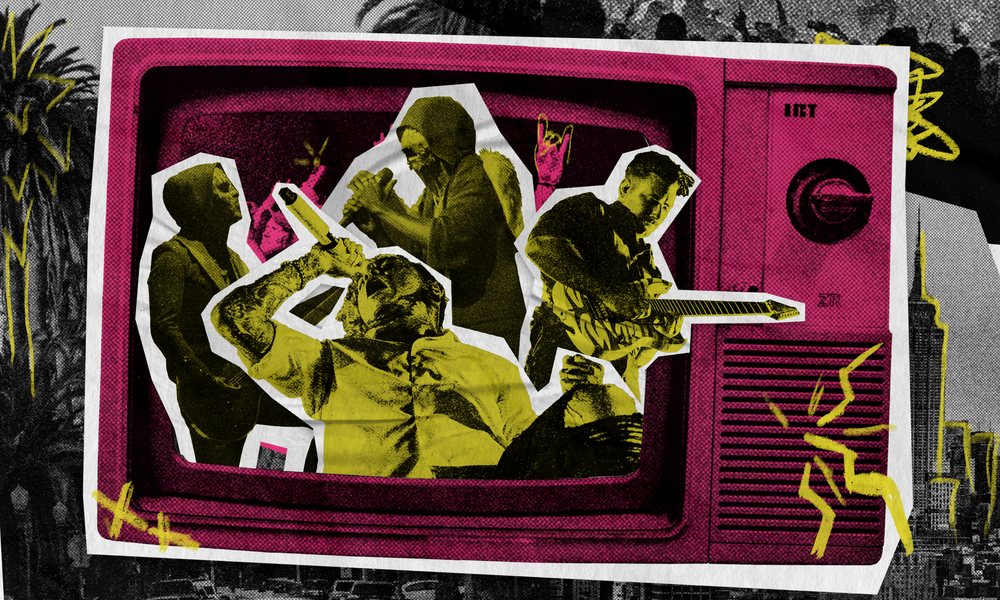
With the rise of acceptance in the heavy and alternative music genres, their reach is expanding. With heavy artists finally getting their flowers and being able to play some of the larger mixed bill festivals, night shows such as Knocked Loose getting their music into more movies and video games like Lorna Shore's placement in Call of Duty, both Electric Callboy and Dragon Force having songs in Brawl Stars, and more, it's time to stop gatekeeping what genres fit where as a whole and start thinking about what collaborations make sense for the music. The music industry is shifting again, so let's get everyone on board to tip the boat over.
You might have read or seen one of my reviews or interviews if you've been around this website before. This time, I am giving you a dive into other areas I work in in the music industry, and I want to share my knowledge to help others learn more about the different moving parts in the background of the music (and media) that we all love! Hi, I am Devinney. Along with what I do here at Music Scene Media, I am also the Director of Artist Development and Relations for a media sync company. I work with the composers and artists to screen their tracks, help find music to fit briefs on their behalf, and help as the main point of contact on certain projects.
Have you ever just watched a movie and realized that a good part of why you felt the emotions you did during the last two hours was largely due to the music paired with the scenes? That's how I got into media sync. Fourteen-year-old me watched the remake of The Texas Chainsaw Massacre, and in one scene where Leatherface was running through a field, my hair stood on end, and I couldn't tell why at first, since the scene is pretty anticlimactic, but after a second, I realized it was the music.
Over the last five years alone, others and I have monitored the rise of popularity and overall acceptance of heavy music in more public-type settings. With this rise, I want to focus on one gate that is still less breached by heavy music, one that's an open door, if you want in....
Media Sync
There is a whole process behind picking the right music for your favorite movies, shows, video games, and more. Even TV commercials' jingles go through a highly vetted music process before we ever see them on screen.
In the past, most of your mainstream genres were what sync agents relied on. Instrumental and classical music are among the top-grossing genres for sync alongside pop, country, and softer rock. That's partly because it was less accepted and partly because, as a sync agent, you have a small amount of time to turn around music for each brief we get, and those genres are naturally structured more so that we, as sync agents, can see where they can be clipped down for use. We rarely use a full song in a scene, so we need to see whether it can easily be made into fifteen-second, thirty-second, and even one-minute clips if needed for the team scoring the music for the scene. The scoring team will be the one to fit the music, second by second, to the visuals to ensure the full effect is achieved and you feel what they want you to during that scene.
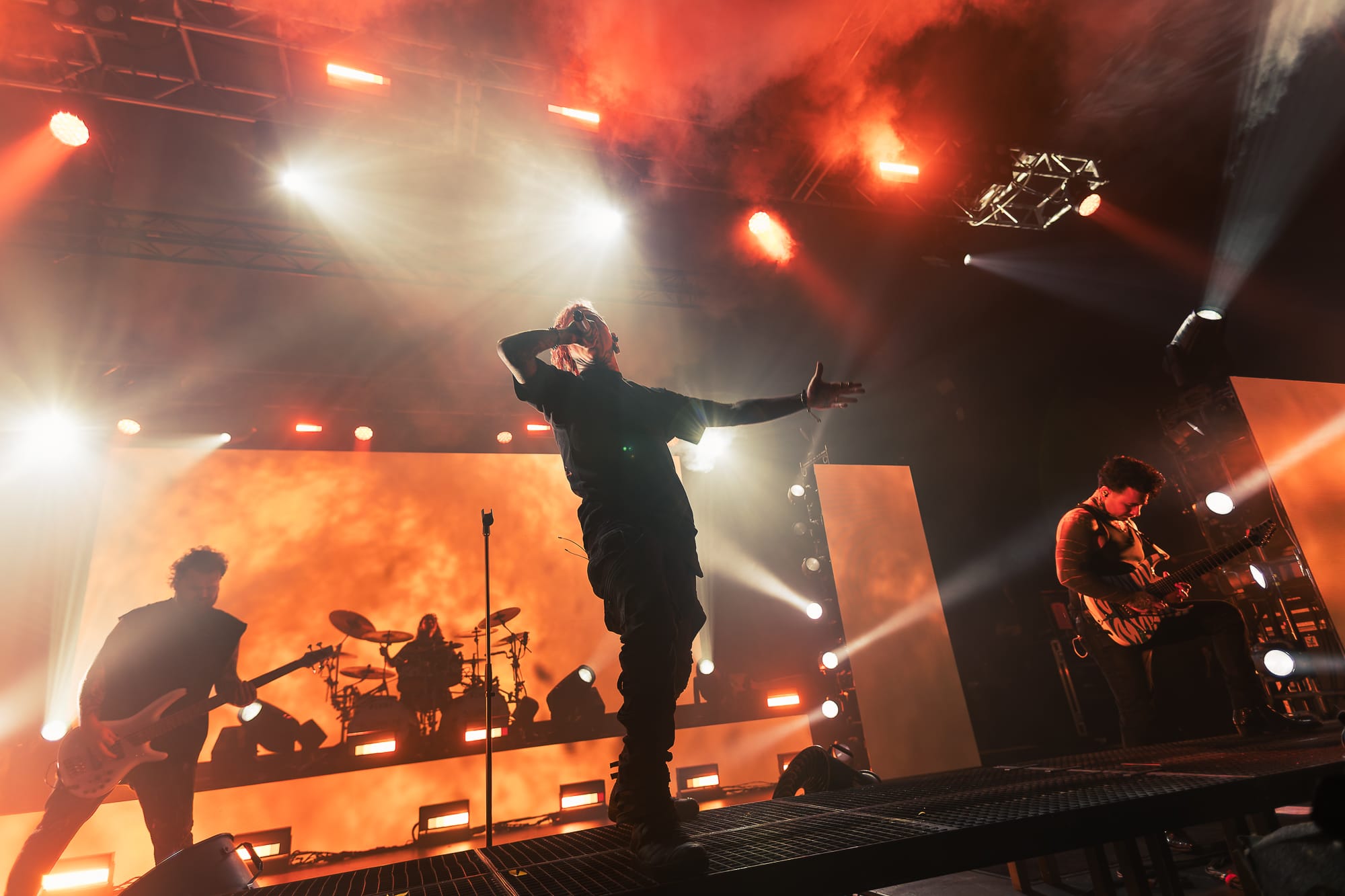
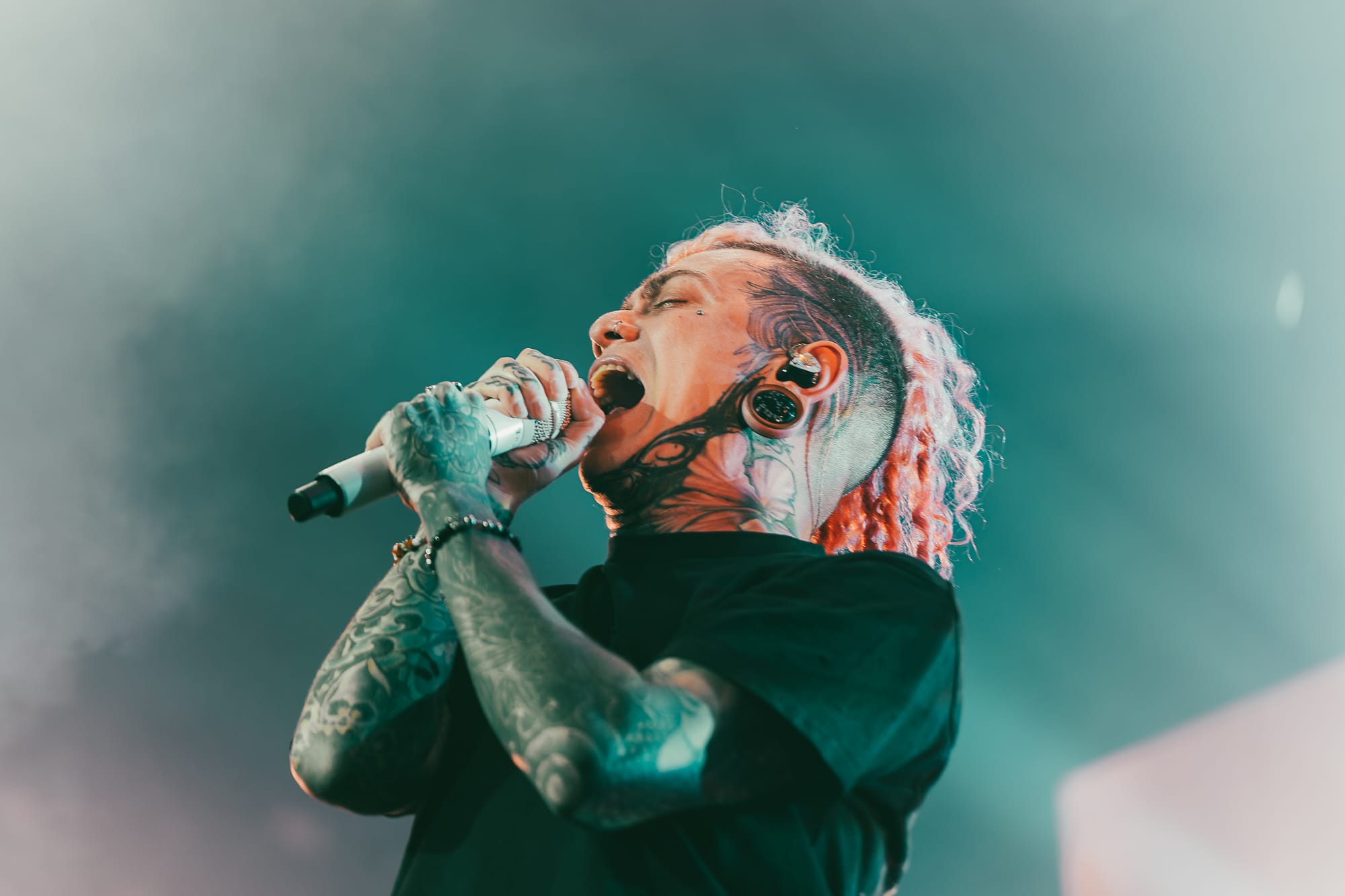

Photo Credit: Simon Arinze
The Hot Dog Theory...
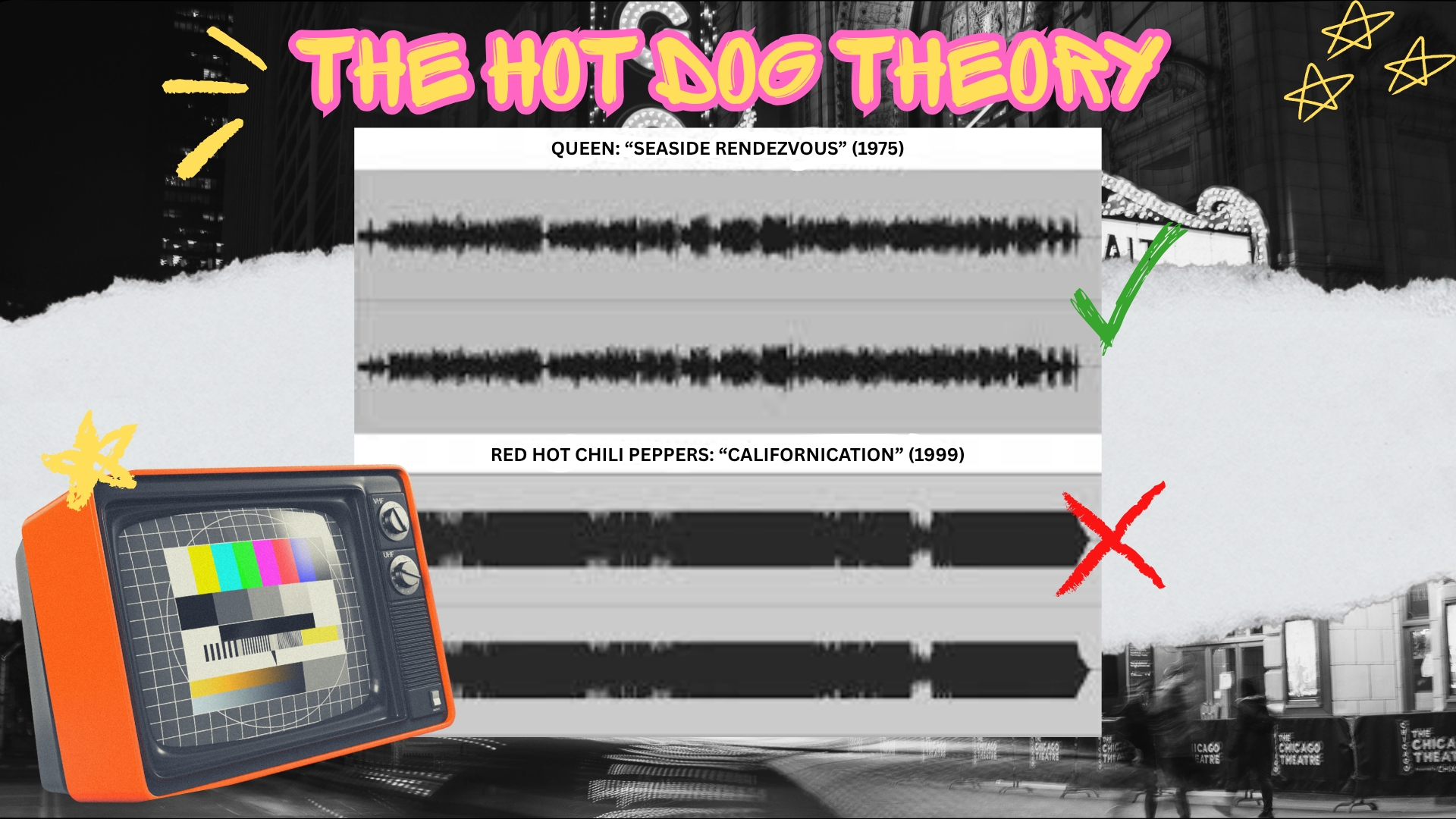
The structure of a song is very important. Sync agents look at your track before they listen to it. If there are no peaks and valleys in your song, oftentimes they won't even click play. Here's why...
Where I work, we call this the "Hot Dog Theory."
The Hot Dog Theory is that if your song looks like a hot dog and there are no peaks and valleys in the sound wave of the track, then there are no actual cut points for the track. We have very little time to turn most briefs around; 24 - 48 hours or by the end of the day is what we are handed for deadline submissions on our part, so we have to be able to go through music quickly. This makes it easier for us to narrow down the list to find what we want to submit to a brief.
Knowing this will help you refine your music if you are looking to get your music media placements.
Things to avoid...
The use of specifics is also something we cannot submit. Whether it's brand names; locations; dates, including months and days; seasons; other artists or celebrities; or other names in general, we cannot use a song that has them involved, as companies run very strict campaigns. They can use edited versions of the song, but only if the artist provides them, and that's not an easy turnaround at all.
There are even certain sounds, plug-ins, and instruments that are not allowed to be used in songs, as they are considered abrasive sounds to viewers or will muddy the audio on theater and/or home speakers. This depends on the company a lot of the time, as they tend to lean towards similar vibes for their campaigns and branding sounds.
Another important thing to note is that there are multiple types of things you have to make sure are legally clear for your music! You have to be signed up with a PRO (BMI, ASCAP, SAMRO, and others) to submit your music, as this is a huge part of how you'll be paid for placements you land. Some sync companies will only work with music cleared by a lawyer who specializes in music.
There are different types of sync deals for artists, too. Most don't limit your music usage, but for exclusive deals, you are signing that song over to the campaign indefinitely, or at least for an amount of time that they specify in the contract. You will need to know the specifics of the deal that you are signing, so a music attorney is a great investment.
Depending on the campaign or company policies, having a clean version of songs that cuss is a great idea as well. A lot of companies will not use explicit songs, so clean or radio edits are preferable, but some companies may not care.
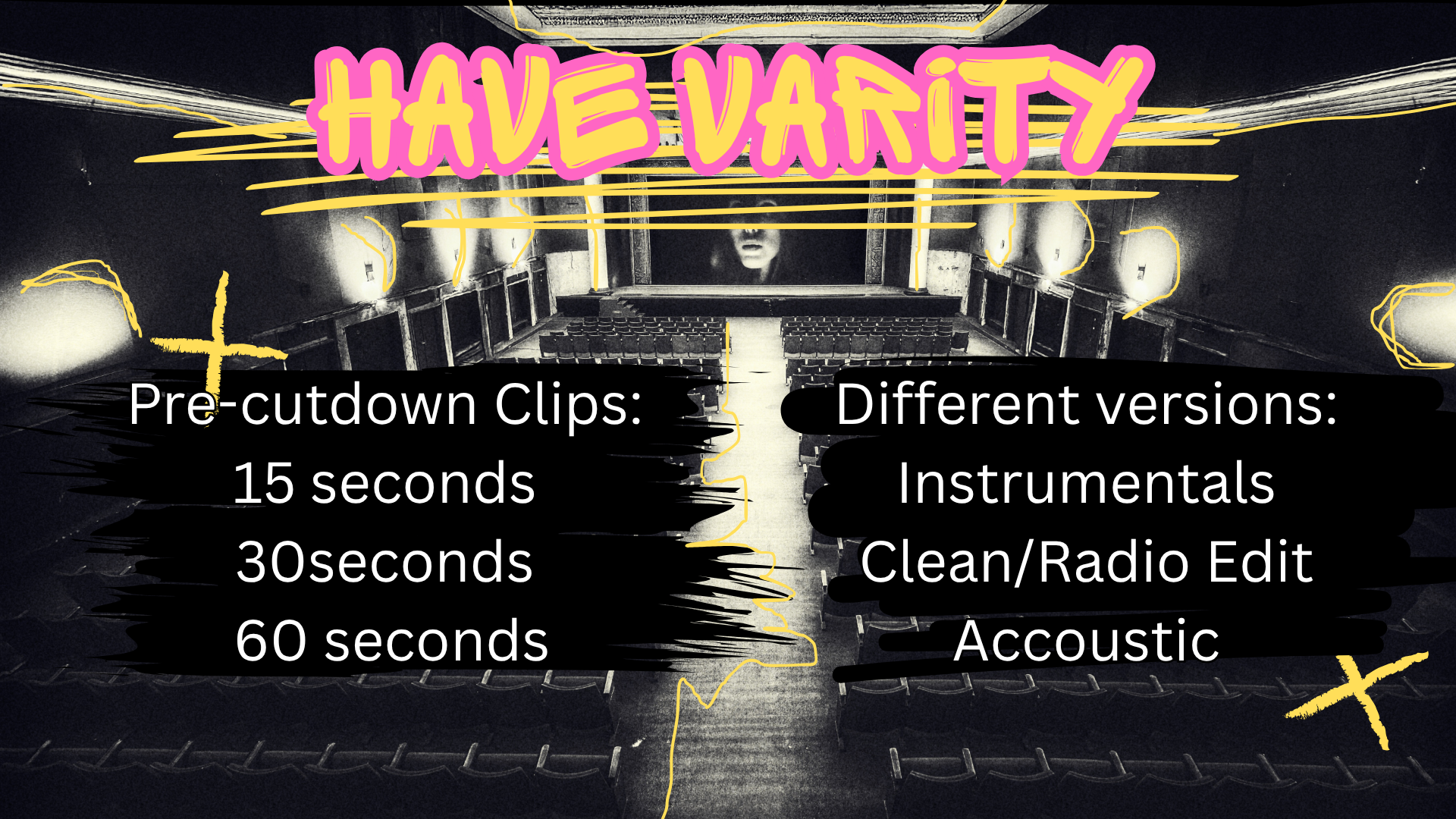
An artist or sync agent submits their music for a brief, and it's the waiting game to know if your music got picked, and if it didn't, most companies don't send an email or notify you. However, if you do land a placement, you'll be making money from that placement! That's why you need that PRO setup first; it'll help the money get directed to you!
Sync placements are a great thing to have on your resume as an artist, band member, producer, composer, instrumentalist, etc., as it shows that you can make music that adds to a visual scene. The process can vary somewhat depending on the company and the size of the catalogs they are handling. Also, if you are a solo artist or band submitting your own work or working with a company that submits your work for one-off briefs, or if you're a composer working on an active show's music.
For independent artists, bands, and composers submitting their own music, a really cool tool you can use is Disco Library! Disco Library allows sync agents to find your music and submit it for briefs. There are hashtags artists can input so that sync agents who need tracks that have a certain tone, instrument, are a specific genre, or anything else we might have a need for can help us find your music and cut down on our search time.
If you want to see what briefs can look like and start submitting your work for media sync, then I highly recommend checking out or starting with SyncrMusic!
Photo Credits: Melanie Mae
With the mainstream genres, all seeing their own setbacks coming at them, we're finally getting more, well-deserved, openings for the heavy and alternative genres. Media sync is starting to adapt to this same move as the genres, beliefs, and aesthetics are more welcomed in society. With the musical landscape shifting as some of the mainstream genres' tectonic plates start sliding towards the background, it can't hurt to look into sync.
And, of course, as the music industry and climate shift, you can bet I'll be here to help open conversations and share my knowledge with you all when I can.
Till next time!
Meet the photographers from the article:

Melanie Mae Williamson:

Simon Arinze: