

AI is a foul beast lurking in the shadows. It has snaked its way into your TV shows, your music, your workplace, and every application installed on the little telescreen you carry around in your pocket. It’s the end, isn’t it? The great serpent that’s come to take your job, come to squeeze our kind out of creative spaces, come to automate the world and make us all irrelevant. Falling stars, oceans of blood, and the eradication of the Hostess Corporation all at the hands of your new mechanical overlords.
Of course, there are those that say AI is nothing but a tool that’s further advancing the capabilities of human creation. As a writer, it's easy to see the worst-case scenario here, what with the mechanical overlords and such, but upon hearing the other side out, I’ve come to find that they may just have a point. Generative AI has the potential to have some benefit for mankind; unfortunately, it’s instead being used to screw over the many for the good of the few. The music industry is one of many that is feeling growing pains from the introduction of AI. It has become a hotbed of controversy since the generative software hit the scene, and so the industry is now one of the most polarized groups when it comes to the topic of generative AI. So, let’s kick that wasp nest open and see what flies out.
Just to make sure we’re all on the same page, we do need to talk about how generative AI works. It’s important for some of the arguments we’re going to discuss further on. In the simplest of terms, generative AI works by analyzing data; this is all manner of content, from books to movies to music to articles to recipes to pictures from your hiking trip at Yellowstone to TikToks. The AI then finds patterns in the data that your search queried and does its best to replicate those patterns in a new way. So, if I told a generative AI model to make me pictures of yellow fruit, it would do that by finding existing pictures of yellow fruit, finding consistencies in those pictures, then making a new picture based on those consistencies. Sometimes that gets you a picture of a bowl full of bananas, and sometimes that gets you a picture of a bag of lemons that have had their top halves swapped out with the top of Bart Simpson’s head. Whether or not this constitutes piracy is a cornerstone of this debate. I’ll get into that in a minute, but first, let’s open our minds and try to hear what the people across the aisle are saying.
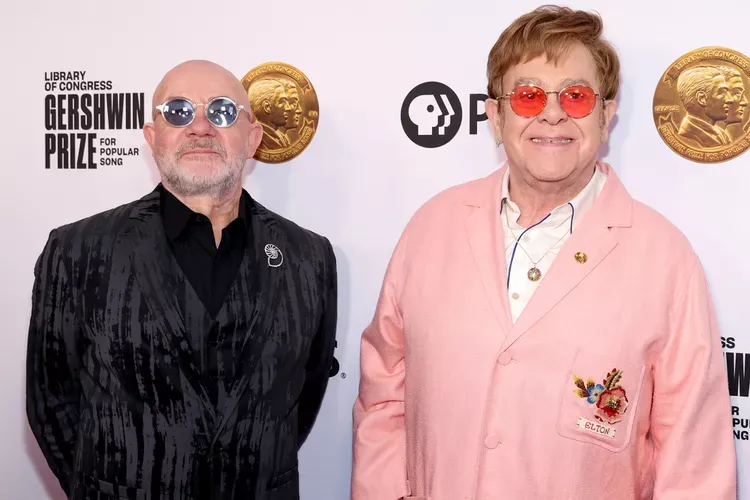
The primary argument in favor of AI is that it is another advancement in creative technology that people are resisting simply because that’s nature. This idea compares AI to things like autotune and DAW software, which changed the way music is created. Most people today agree that a song created by one person on their laptop by tirelessly layering tracks, laying downbeats, snipping riffs into place, and generally spilling over art that they created themselves is in fact valid art, but there was a time when the industry saw “digital” music as the devil in a way not dissimilar to the light AI is cast in today. Let’s not forget video did kill the radio star after all. I spoke to some AI musicians who promote this ideology. They explained to me that it isn’t as simple as just typing some words and getting a fully finished song. That you have to hone the skill to know exactly what to type, just how to phrase your prompt to get the results you need. Then you need to have the know-how to pick exactly the right generated song. Some of these types do actually have some input on the creative process. I found quite a few AI musicians who write all of the lyrics to their songs, then have an AI model generate music to go along with their lyrics. One AI musician, Ashley Butler, went so far as to call generative AI the “Elton John to my Bernie Taupin.”
Just when I thought I had had all I could stomach from the pro-AI crowd, I met one proponent who actually had an interesting point. Homeboy told me about his work with both physically and mentally disabled individuals and the way they have been using generative AI in their therapy. AI has given people who don’t have the capability to express themselves for a myriad of reasons the means they lack. Imagine a guitarist who loses his hands in an accident at work. With them, he lost the ability to play his instrument, the ability to express himself. Damned he is to a lifetime of every riff he dreams up being trapped in his head. But with the introduction of AI, he can get that music back out into the world. Is it the same as playing it yourself? Honestly, I can’t imagine it is. But it can provide an outlet to people who have been stifled, and I think that’s pretty rad.
Now there is a whole mess of reasons people think generative AI is bad, far too many for me to discuss them all, so we’re going to briefly touch on a handful of them to get a general idea of what this camp has to say. First off, generative AI is further damaging artists' earning capabilities. This is because people are flooding streaming platforms with AI-generated music. AI musicians are creating catalogs larger than most bands will create over their entire careers in a few days. All this new music floods the algorithm, which makes it less likely that artist-created music will get plays and spots on discovery playlists. A case of the market being watered down with cheap knock-offs, much the same as why all your clothes wear out so quickly now, mass-produced crap is making it hard to find the good stuff. This also makes it nearly impossible for new artists to break into the industry. How is someone who spends half a year working on an EP supposed to keep up with the generators who can pump out an album faster than they can write a chorus? Then there’s also the matter of copyright. Not only because all generated content is the product of the rearranging of pre-existing content, but also because generative AI is being used to blatantly rip real artists off. The most notable case in recent news has been the King Lizard Wizard debacle.
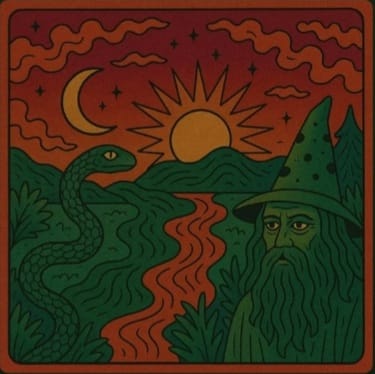
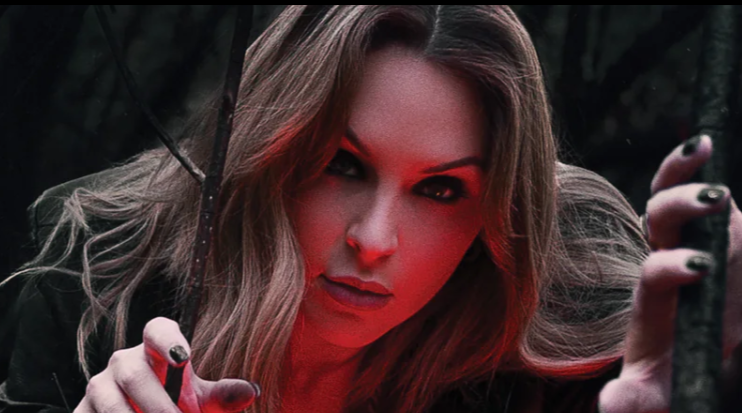
This AI band popped up on Spotify a few months after Aussie psychedelic rockers King Gizzard and the Lizard Wizard removed their discography from the streaming service. On top of mimicking the real band's name, King Lizard Wizard published AI-generated tracks made by closely imitating King Gizzard’s catalog. King Lizard Wizard was live on Spotify for weeks with artwork, titles, and music that blatantly ripped off King Gizz before it was finally exposed and removed from the platform. This is not an isolated incident; it is a growing phenomenon. One that I think Katerina Nicole summarized perfectly: “Right now the AI industry isn’t empowering musicians—it’s exploiting our identities. When AI-generated songs are uploaded under real artists’ names, it’s not innovation; it’s fraud. It confuses fans, devalues years of work, and shifts the burden onto artists to defend our own catalogs. Technology should be helping us create and sustain careers, not quietly profiting while trust in music and authorship erodes.”
Now, with all of this in mind, I will try to draw the most reasonable conclusion I can about the topic. In so many words, I think AI has its use in some hyper-specific cases, but we should keep in mind that it is a tool, and some tools can be dangerous. Fire is one of the oldest tools man wields, but to call it just a tool and nothing more would be foolish; it will sure as shit burn my house down no matter how I regard it.
In so many more words, AI is a raging beast that threatens to topple the entire music industry if it’s not properly dealt with. It IS going to be an issue when it comes to bootlegging; that’s just a fact. Before we can put a stop to the King Lizard Wizards of the world, we must first have the hard talk. At what point does generative AI become plagiarism? Some people say that anything created with generative AI is plagiarism; some say that there is a nuance to it that separates the wheat from the slop. Personally, I think most all AI-generated music is garbage, and that’s not just blind hate. Like I said, I mingled among the generators; they suggested their music to me, and I listened to it, and it sucked. It all sounds exactly the same. It is the blandest, elevator-friendly music you can possibly imagine. And that makes sense seeing as the music is made by a program that detects and replicates patterns. AI generates stereotypes. It makes music that is the equivalent of tofu seasoned with water and flour, and it is driving us further into an art-free dystopian nightmare.
For some time now we have watched our culture move away from the craftsmanship of making art in favor of the easy route of making content. Take for example “TikTok music,” a term used to describe modern songs that have a ripping twenty seconds and nothing else going for them. That’s because these songs are made to play the TikTok algorithm for views, not draw people in with genuinely good music. Generative AI is the next step in that scummy racket. It has made it even simpler for those who don't want to put any effort into their work to produce slop that they can then put out into the world on the same platforms that host people who dedicate their lives to their craft. The fact is you don't make anything when you use AI. Using it to make art is the same as ordering a cake from a bakery with special instructions. Yes, it is entirely by your own creative thinking that the idea was brought about, but you did not MAKE anything. You're not an artist; you're a self-indulgent consumer. A cancerous mass rotting away the music industry. A bloodthirsty changeling come to suck this business dry.
So, where does that leave us? What is the grand realization to be taken away from all this? Are we boned? I don’t think so.
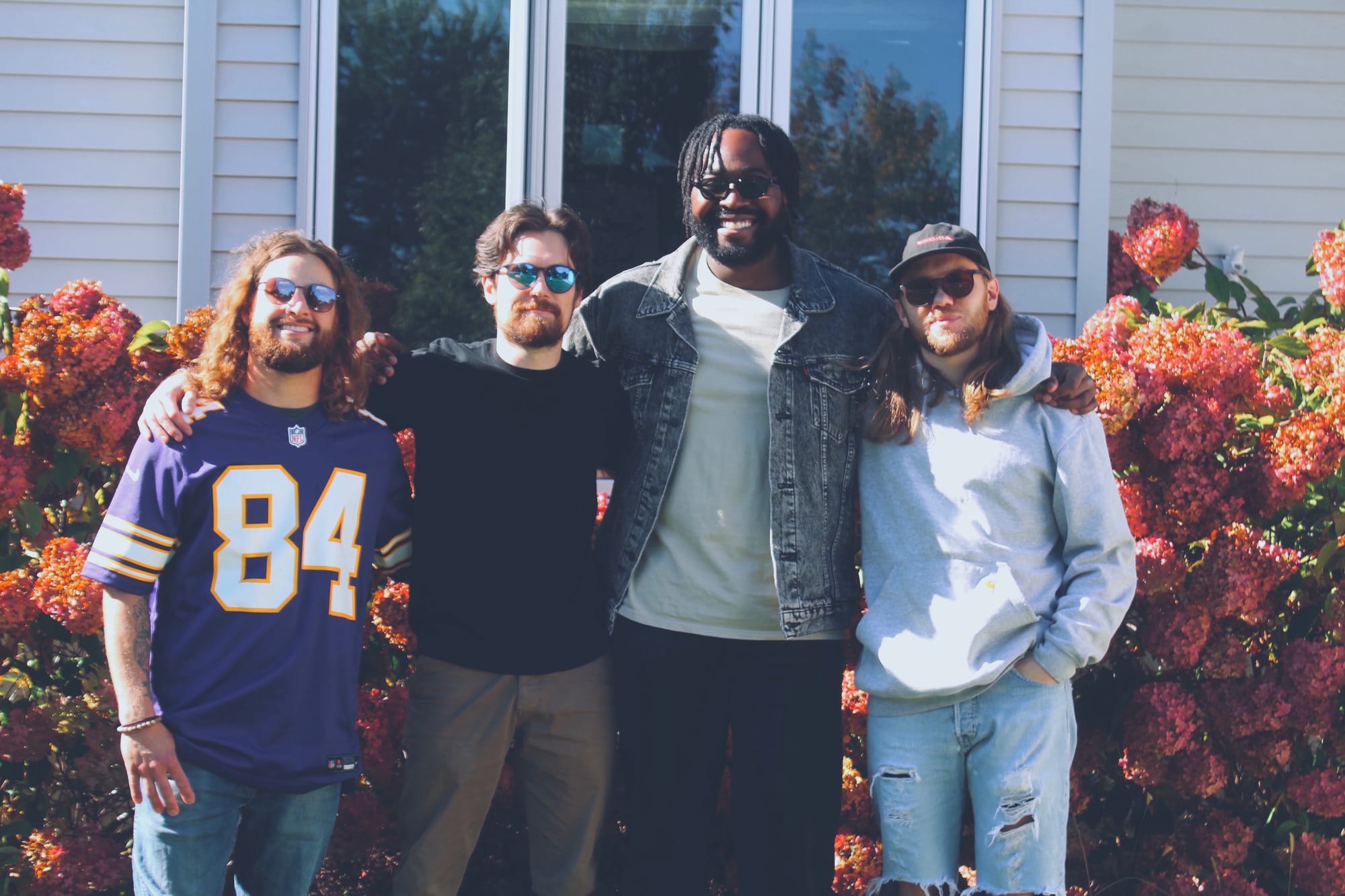
It seems to me that the most reasonable series of events that we’re going to see play out is that the hard discussion is going to be had. There will be a statute set that will define what is fair use for AI to plunder for data and what is legal for it to create under certain copyright laws. That will help handle the bootlegging issue. Of course, there will be those that operate with systems that work outside those a number of government bodies have decided are legal, but the bulk of would-be counterfeiters who just do it because it’s easy and low risk will be handled. Hopefully they will be hauled off to a dark cell where they can fester forever, pondering if trying to start a Steve Miller knockoff band was really worth it. As for the generators who are worrying creatives, I think we’re probably more concerned about them than we need to be. As my homie Andy from Fortunate Suns put it, “AI music is not the future; it's a numerically averaged regurgitation of the past. Computers aren't capable of creativity unless they steal it from a human being first.” AI music is not as good as artist-made music, tofu and flour, remember? The average music fan, even those I know that aren’t all that hung up on it, is adamantly against AI. My prediction is that AI music will fall into a niche similar to top 40 overproduced electro-pop music. Some songs will get playtime, but they will be widely regarded as garbage created by people more concerned with creating content than creating art.
I think, in the end, AI will be one of those technologies that we struggle to figure out how to handle until eventually we just let it slip away. Right now, we’re going through an ominous dystopian phase where the tech-heads have decided to try to incite the rise of the machines by feeding them the virile souls of artists; however, sooner or later, the storm will pass. It will more than likely permanently alter the musical landscape, like a glacier ripping up prehistoric Alaska, but in the end, music fads come and go, and this one probably won’t be any different.