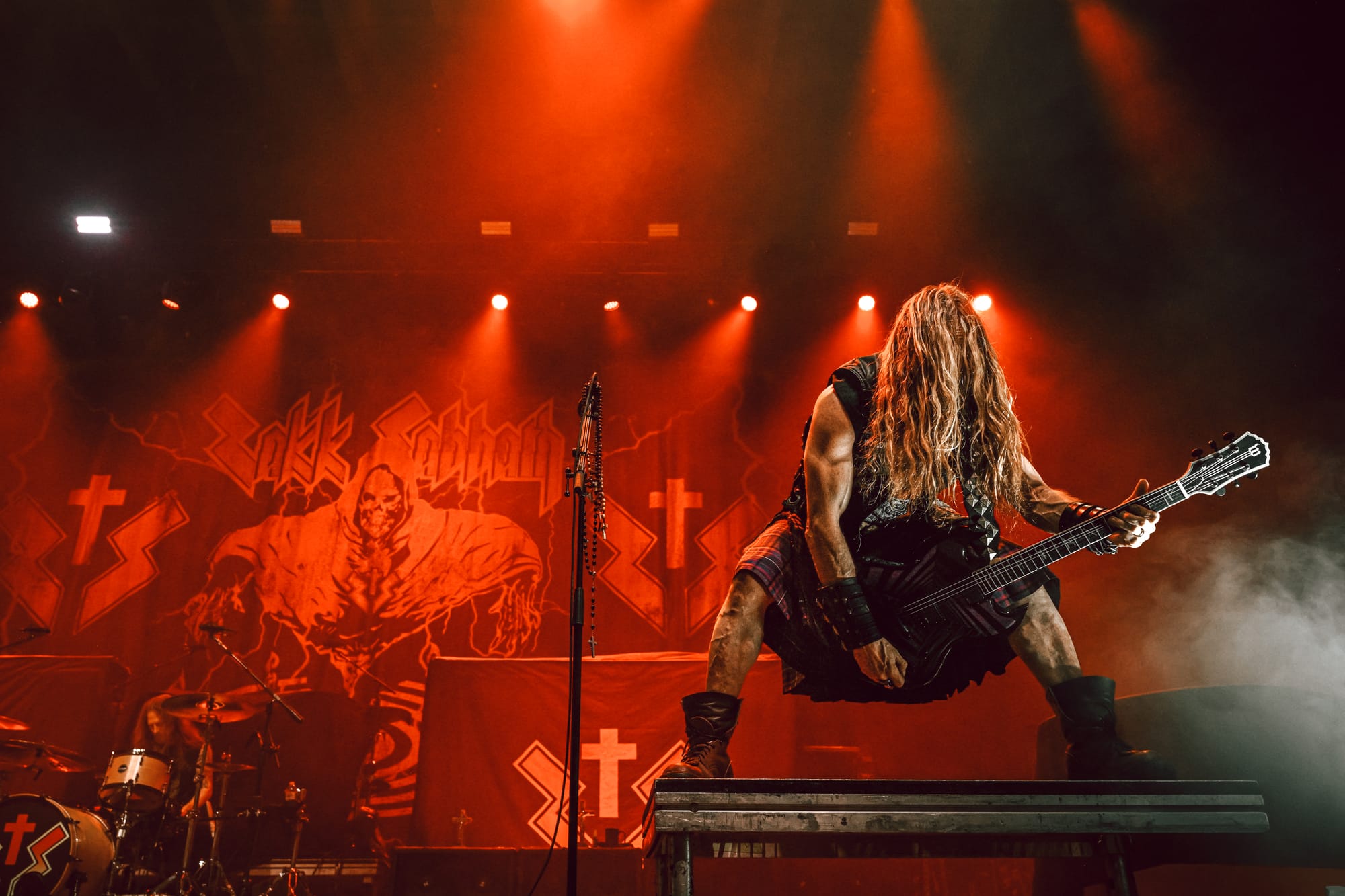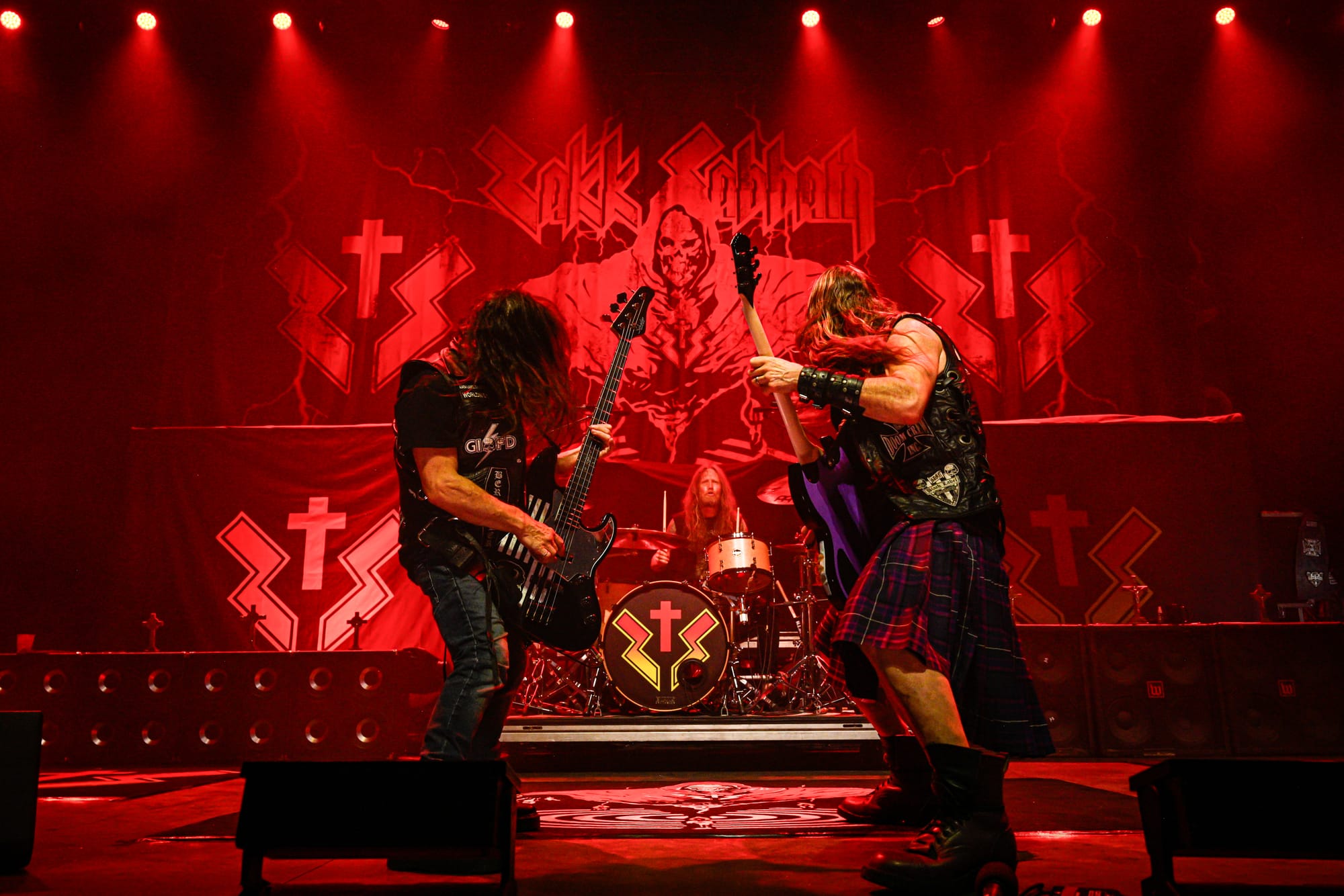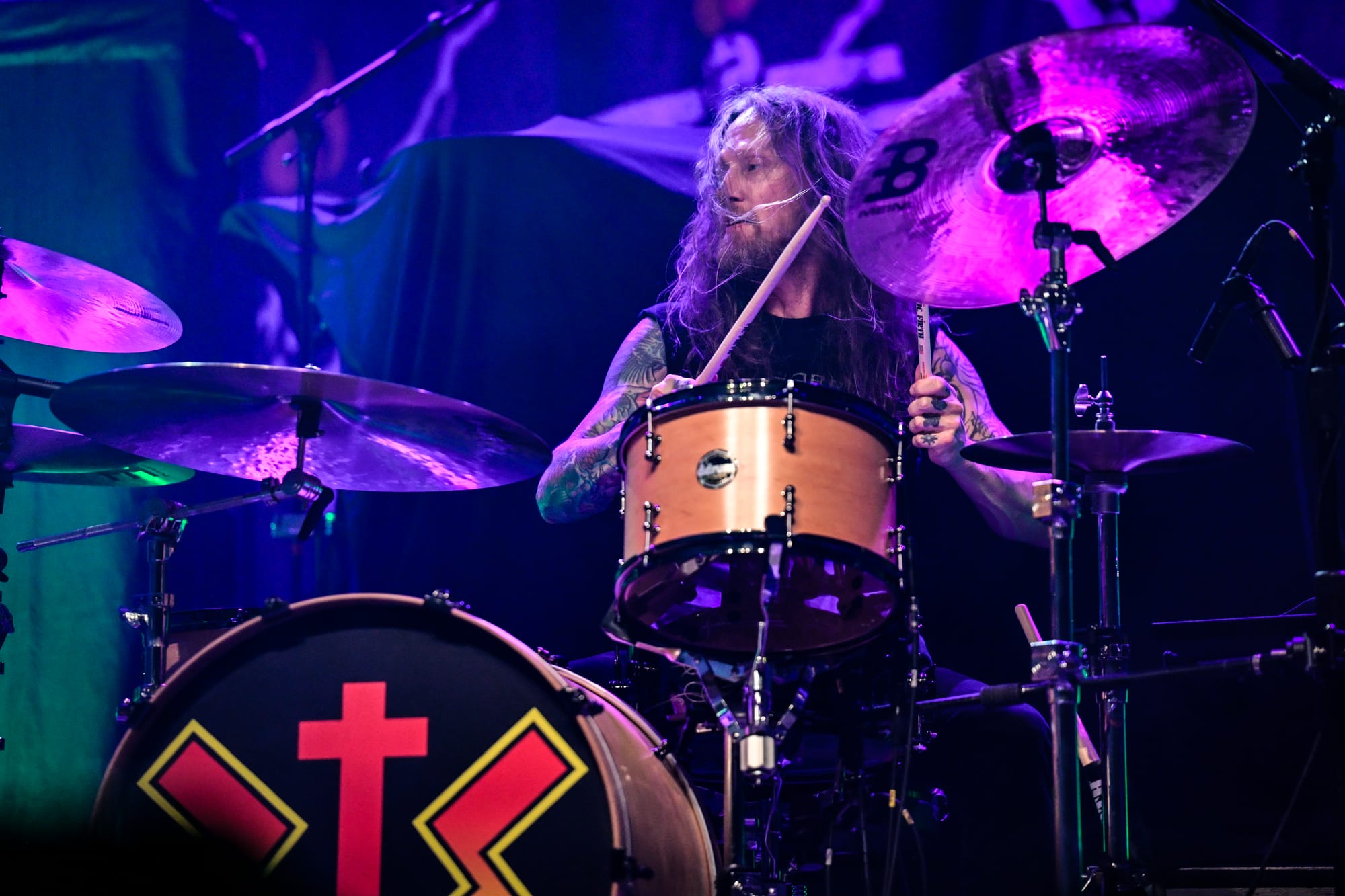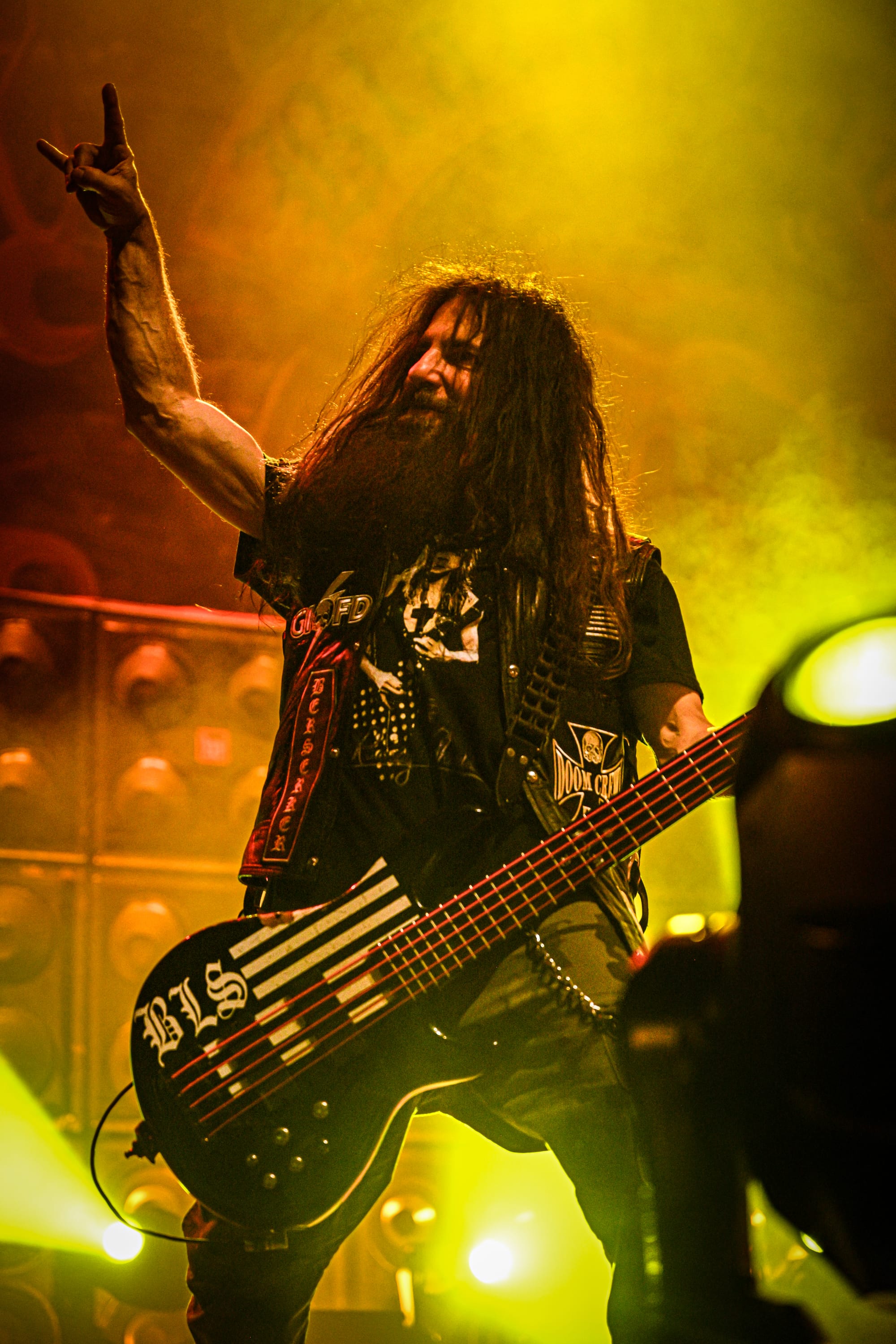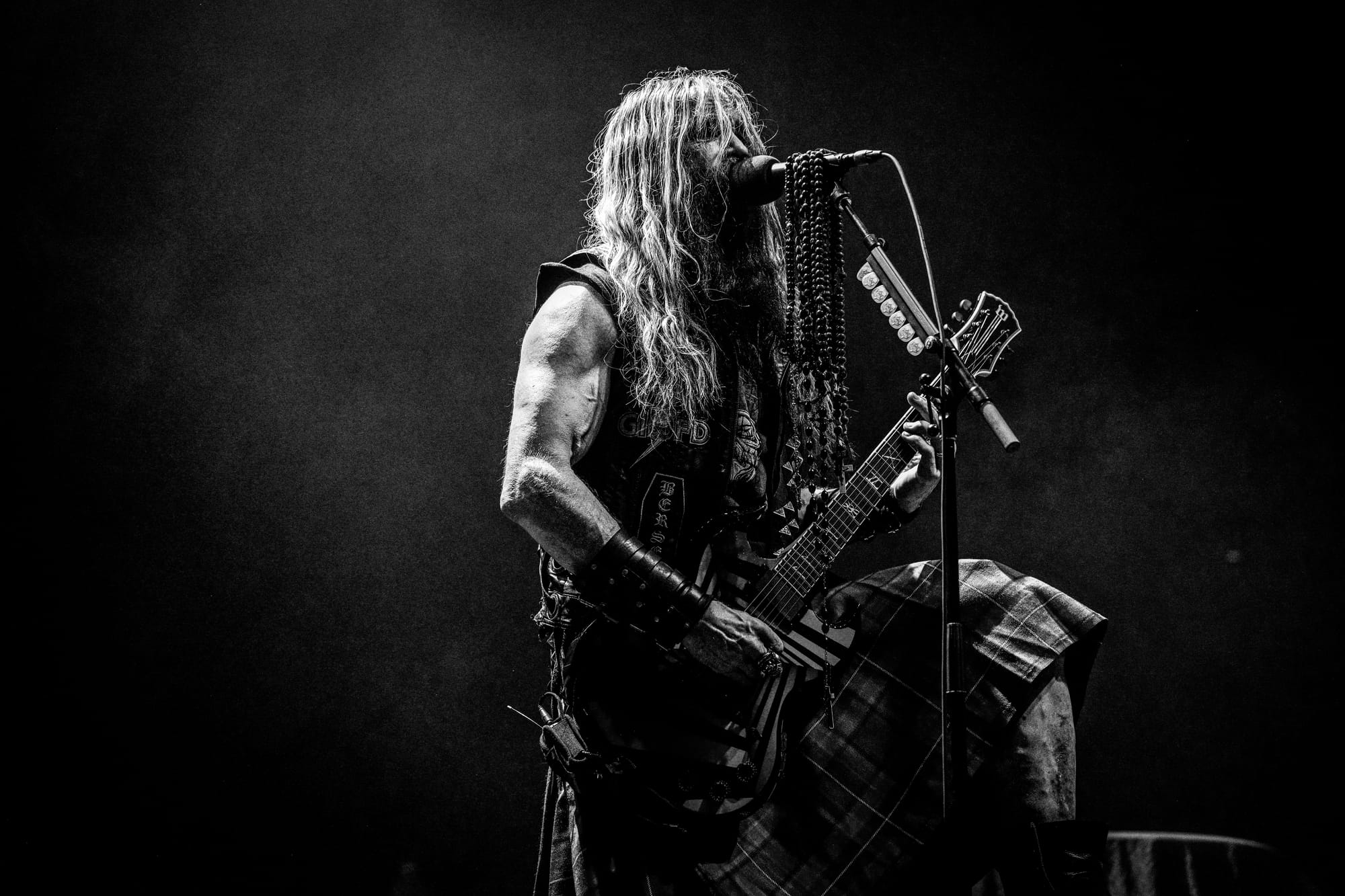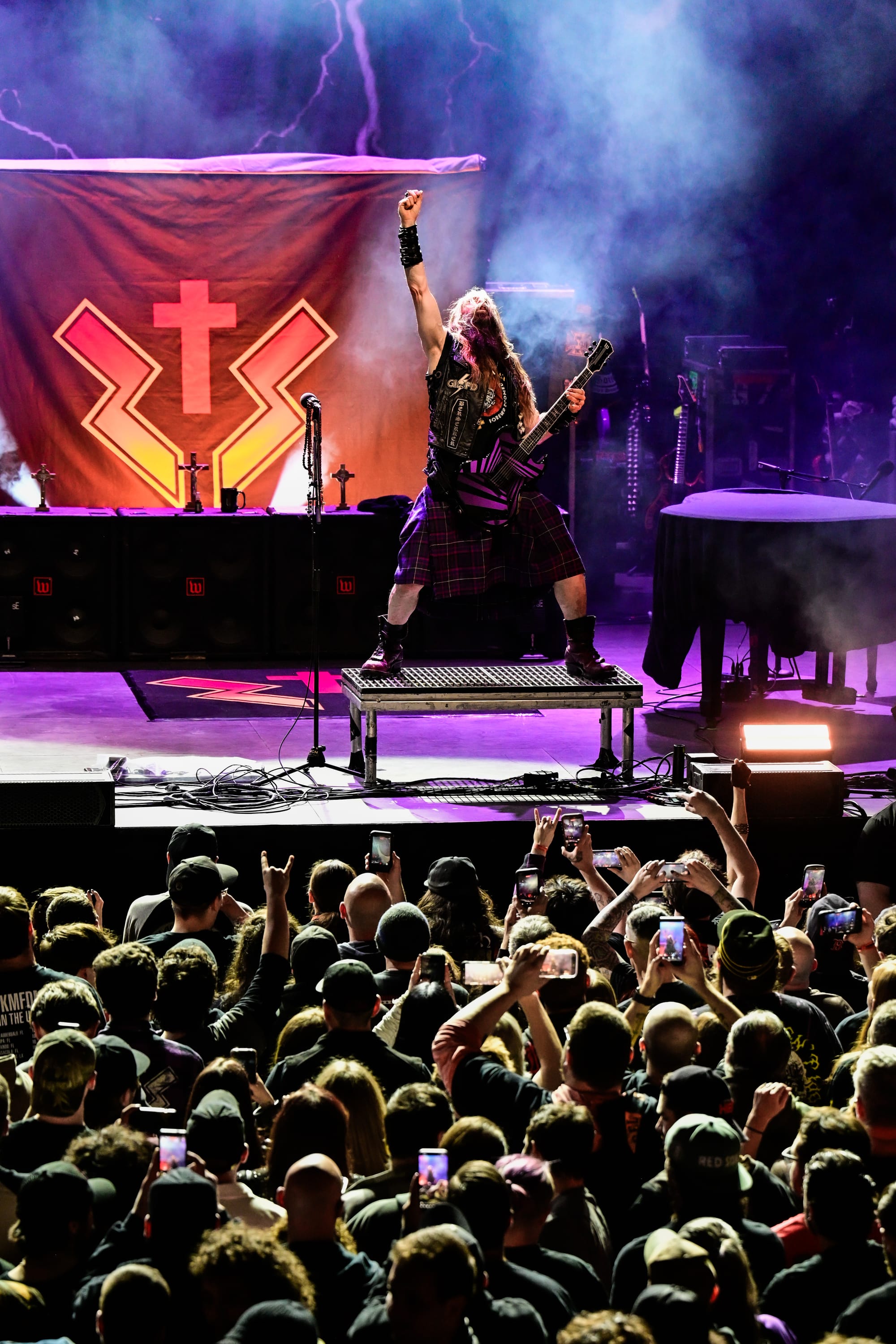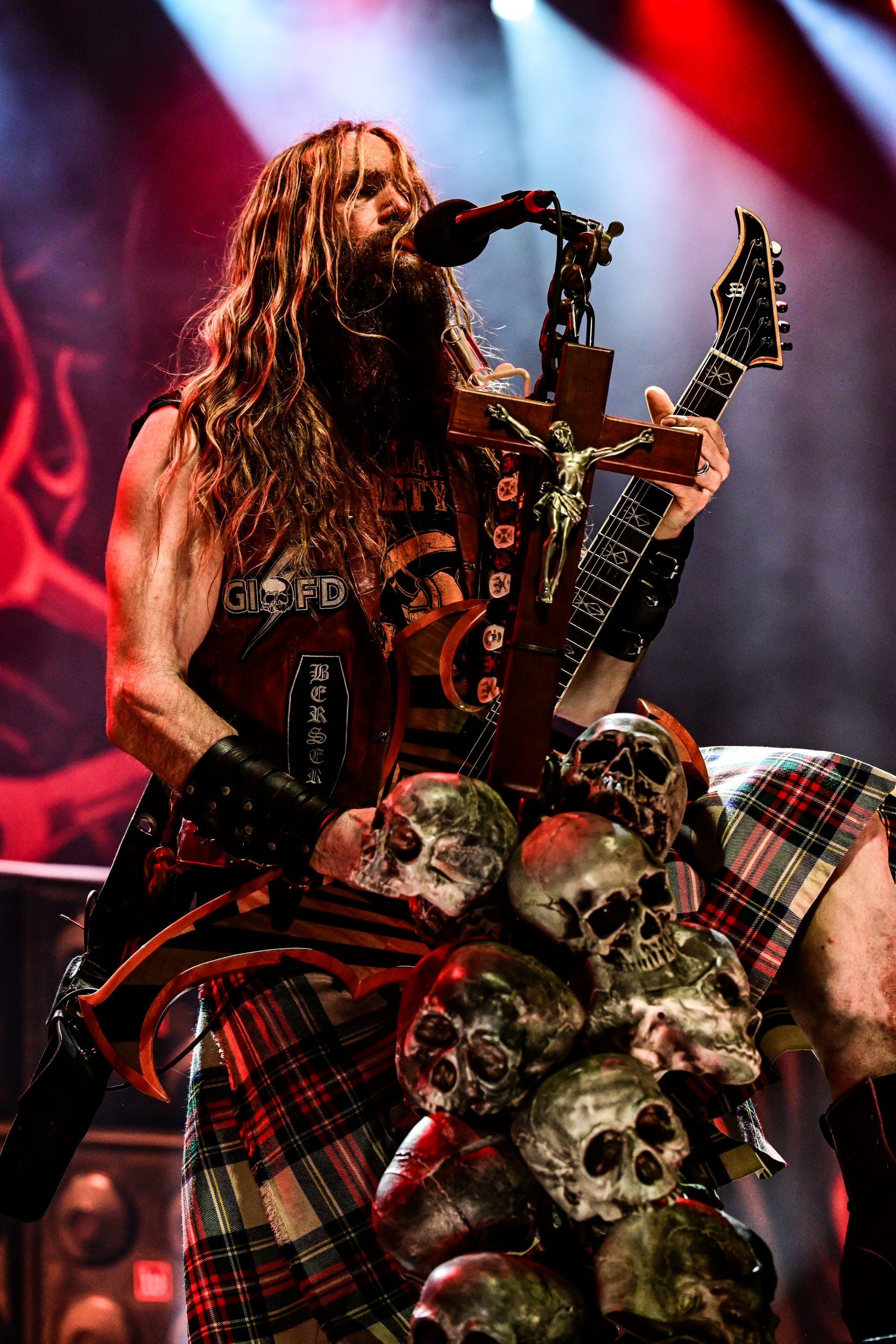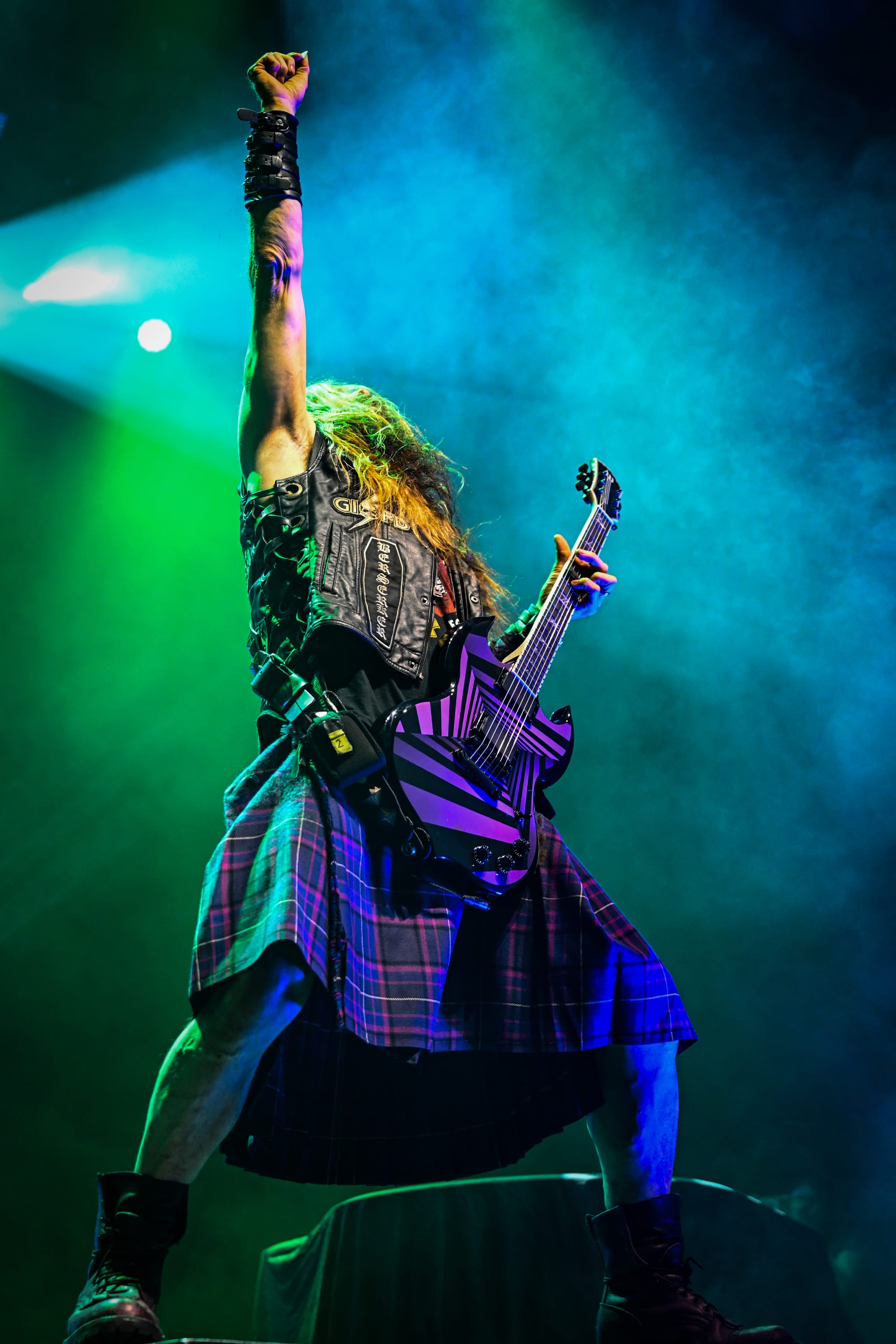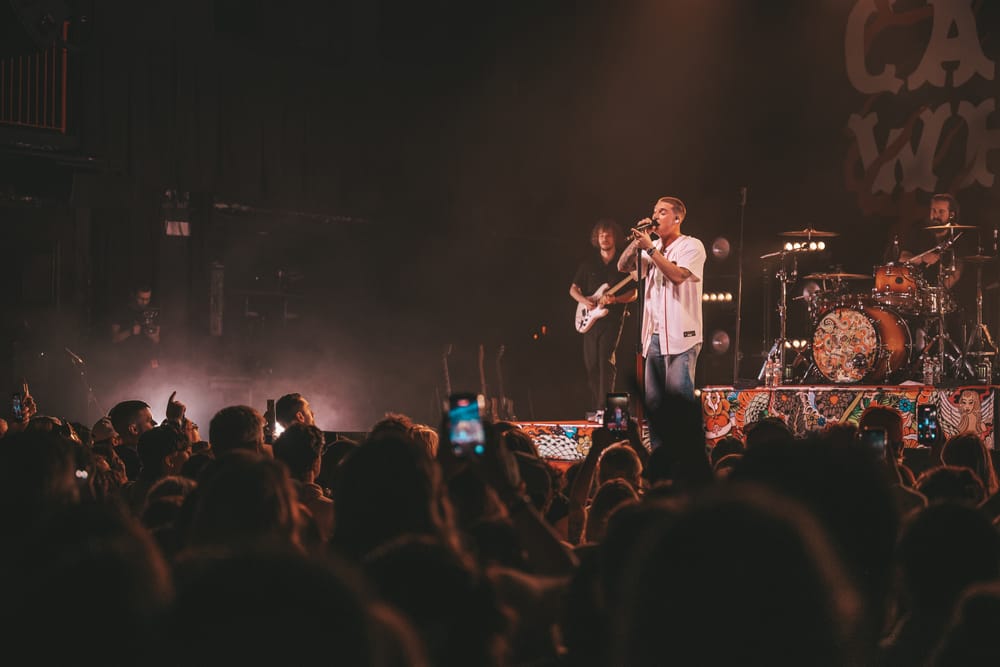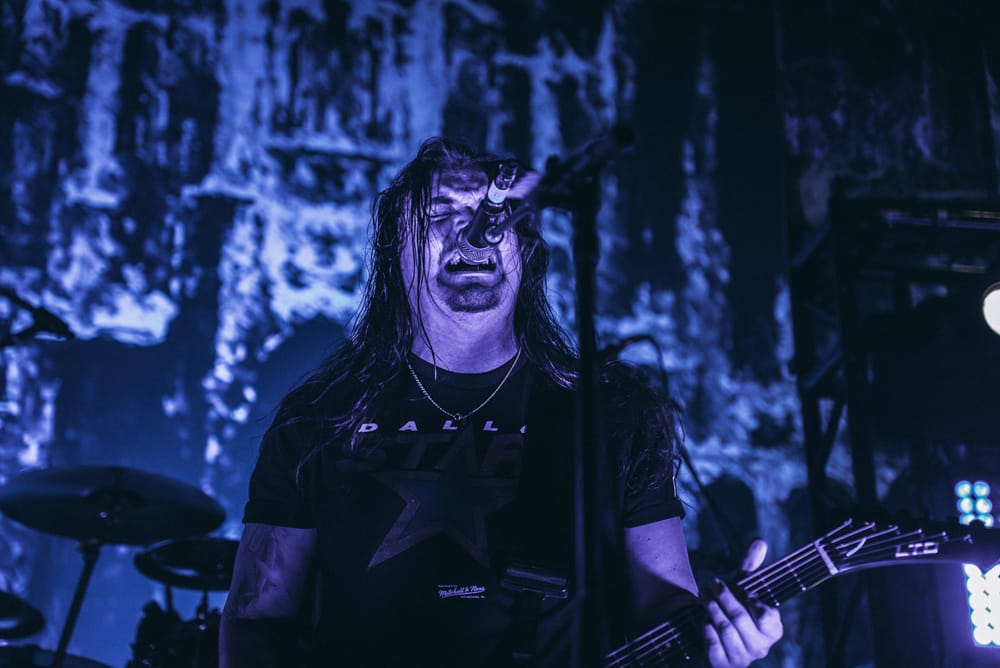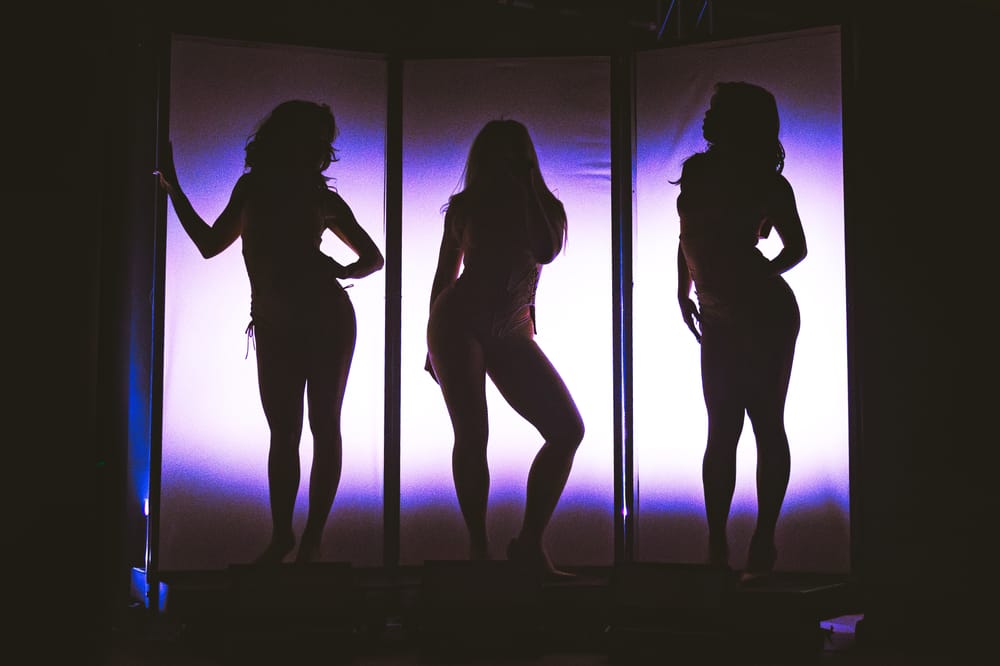


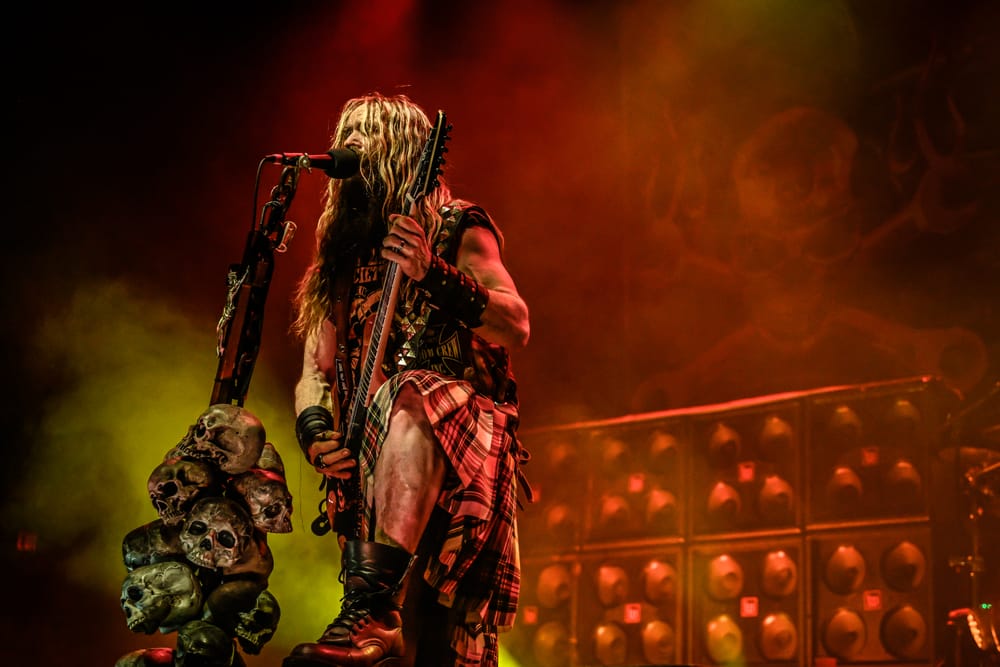
Zakk Wylde’s music has always been rooted in reverence. You can hear the history, brotherhood, and legacy in every note. It has always been a tip of the cap to past shows, past projects, and past friends. On April 4 at MGM Music Hall at Fenway, that foundation wasn’t just present; it was the entire show.
The night opened with Zakk Sabbath, Wylde’s three-piece homage to the catalog that no doubt raised him. In Wylde’s case, it’s not cosplay; it’s lineage. Having served as Ozzy Osbourne’s guitarist for almost 40 years, Wylde doesn’t just perform these songs. He stands before the crowd as probably one of the only people left on Earth who knows them best. The setlist balanced old favorites and deeper cuts, each delivered with that unmistakable Wylde tone: a pulverizing overhand right of sound that somehow never loses impact.
As for the crowd, they were immediately all-in. Early arrivals packed the floor; the only real movement came from those making pilgrimages to the seemingly endless merch line. Everyone was eager to earn their Boston chapter stripes in the Black Label brotherhood. The opening set closed with a sprawling, ten-plus-minute rendition of “War Pigs,” culminating with Wylde weaving through the crowd mid-solo, erasing the line between stage and floor.
This would have made for a satisfying night on its own. But everyone in the room understood that this was just the invocation.
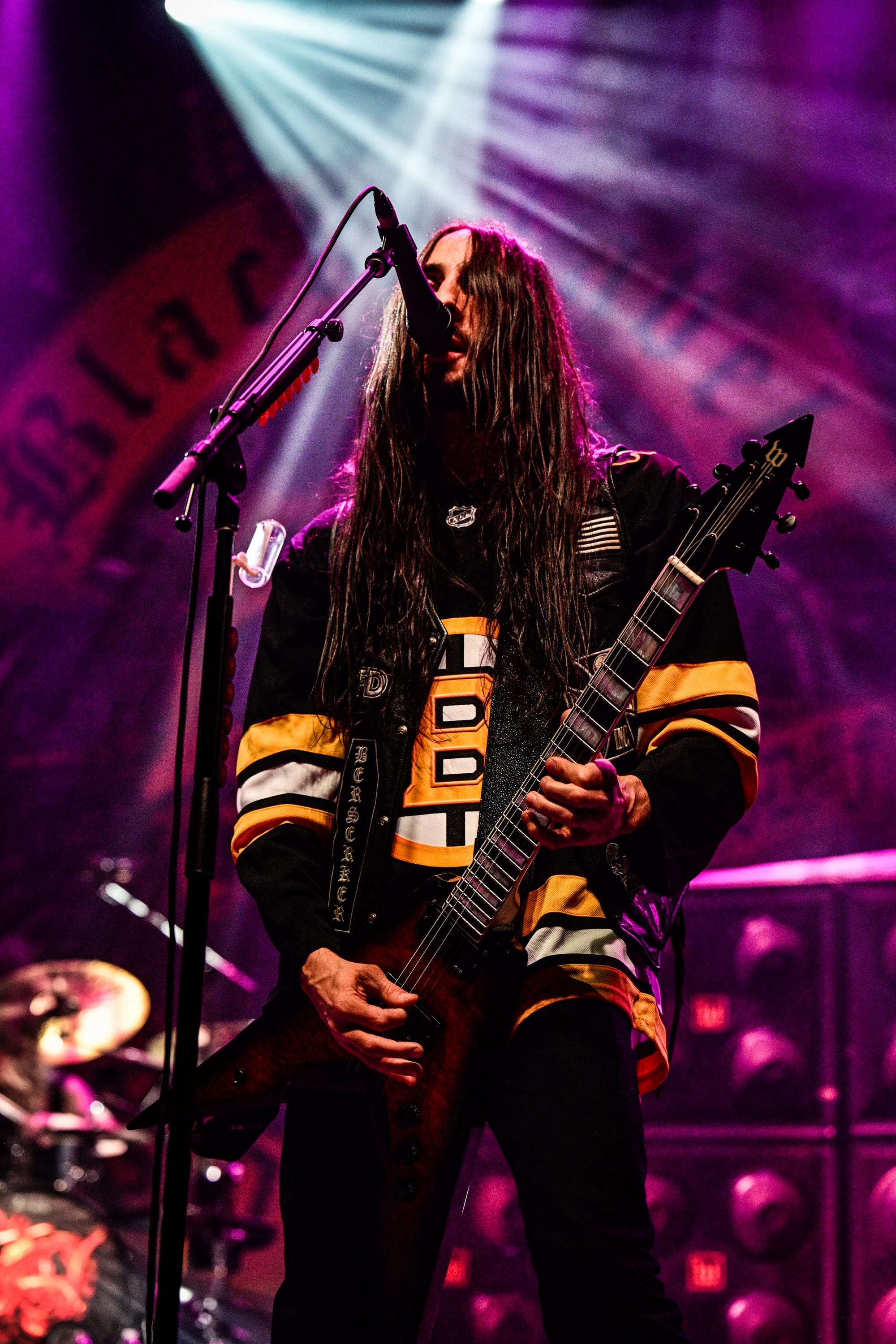
When Black Label Society took the stage, the tone shifted. A wall of amplifiers looming like a fortress, and Wylde, now less high priest of tribute and more chapter president of his own enduring legacy. Alongside him was Dario Lorina, a local product (and frontman of opening act Dark Chapel) whose presence added a subtle hometown fervor to the set.
BLS sounded massive but not overdone. Wylde’s signature crunch remains intact, yet there’s a willingness to stretch, to lean into dynamics rather than just domination. And where Zakk Sabbath was about a shared memory, Black Label Society’s set was about a current connection. Wylde worked the room relentlessly, engaging the crowd between songs, drawing them closer. With anyone else, it would have felt like pandering crowd service. Here, it felt earned.
The emotional core came mid-set: a three-song run that seemed to have more weight than riotous fist-pumping numbers. A cover of “No More Tears” detonated the room, with Wylde stretching the outro into something both celebratory and reverent. When he told the crowd that Ozzy would be proud of them, it didn’t feel like a throwaway line. It stuck. The next track, “In This River,” which came with visual tributes to Vinnie Paul and Dimebag Darrell, saw Wylde sit behind a piano. The beautifully powerful “Blessed Hellride” followed. It was less a sequence of songs and more a statement of purpose, a reminder of where Wylde has been, and why he rides on.
Sentiment never dulled the Black Label’s edge. There was still work to be done, and Black Label Society delivered with the surgically precise force that has kept them vital across decades. By the time the set barreled toward its close, the room felt unified in a way that could not be anything but authentic: part concert, part congregation.
What stood out most wasn’t just the musicianship, though elite. It was the crowd. Generations were locked in and fully committed. The kind of audience that isn’t filled with listeners but believers. Black Label Society fandom has always bordered on fanatic, and on this night in Boston, it was on full display.
Looking back to Black Sabbath, to Ozzy, to fallen friends, Wylde isn’t stuck in the past. He uses it as a foundation on which great things are built. And if this show proved anything, it’s that the Doom Crew isn’t fading; it’s getting louder.